

Written and Photographed by Ellie Blanck, Lise Peet, Sarah Retallick, and Rachel Williams
Watch an accessible version of this article on our Vimeo site.
View images from this article on our Instagram page.
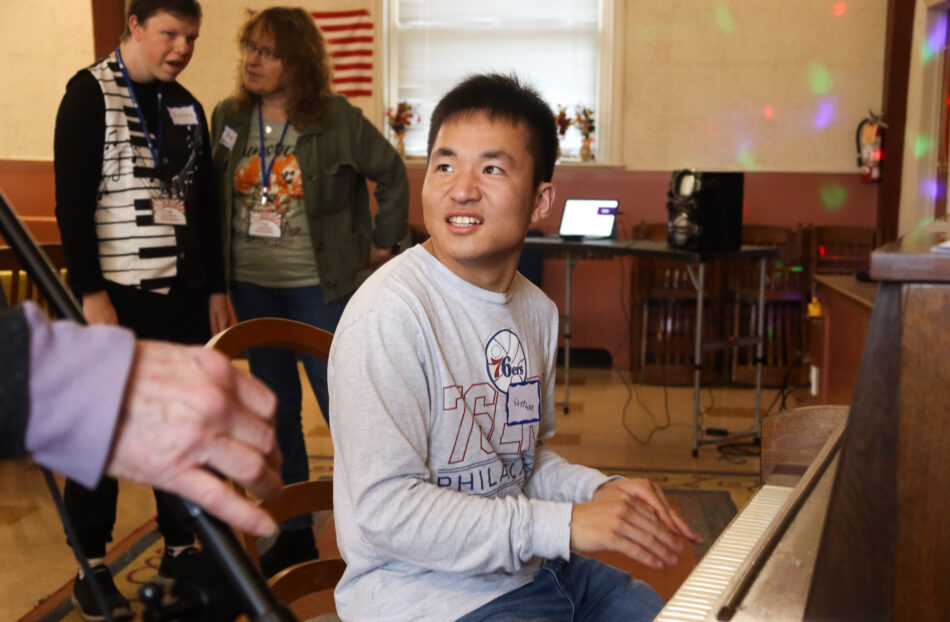
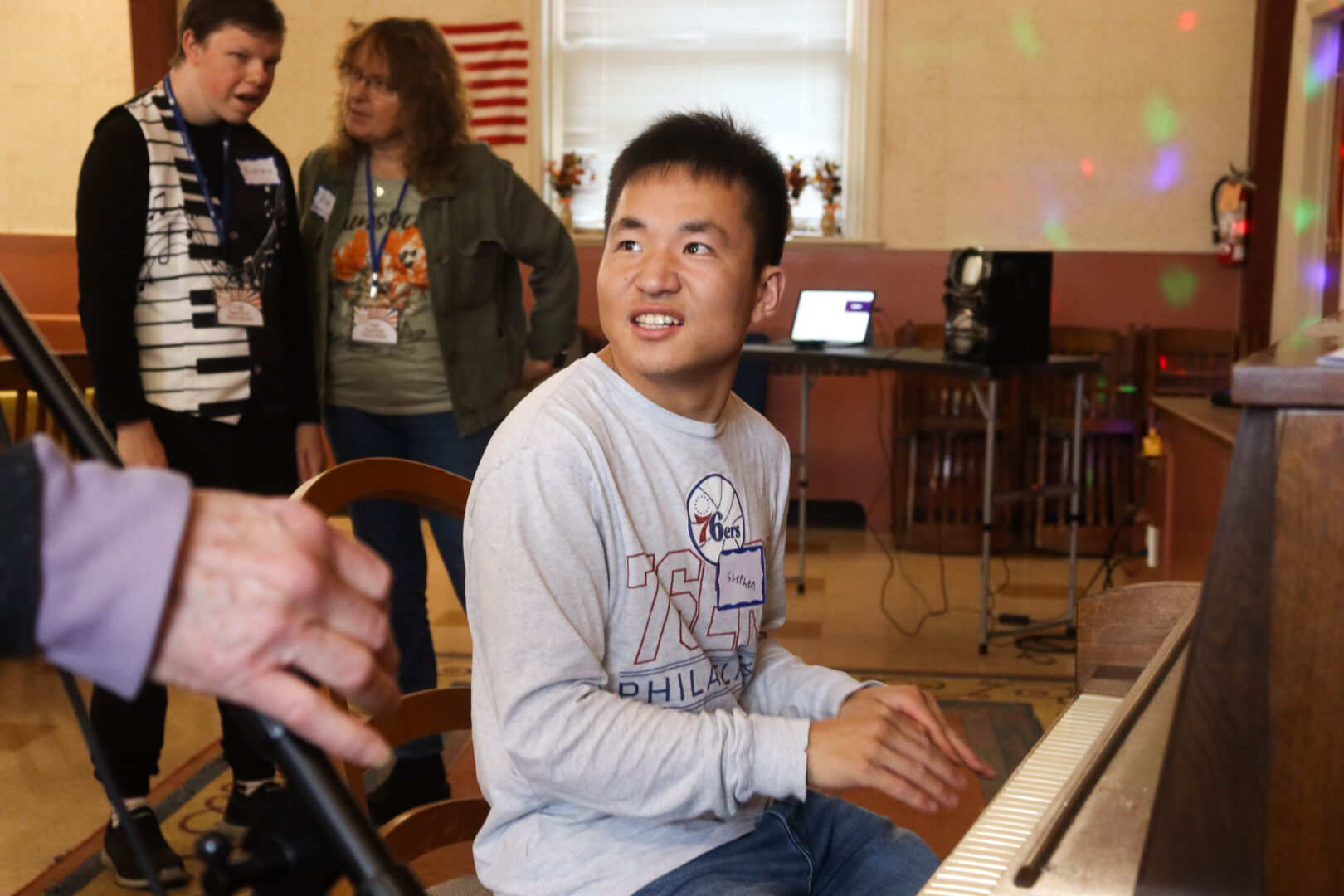
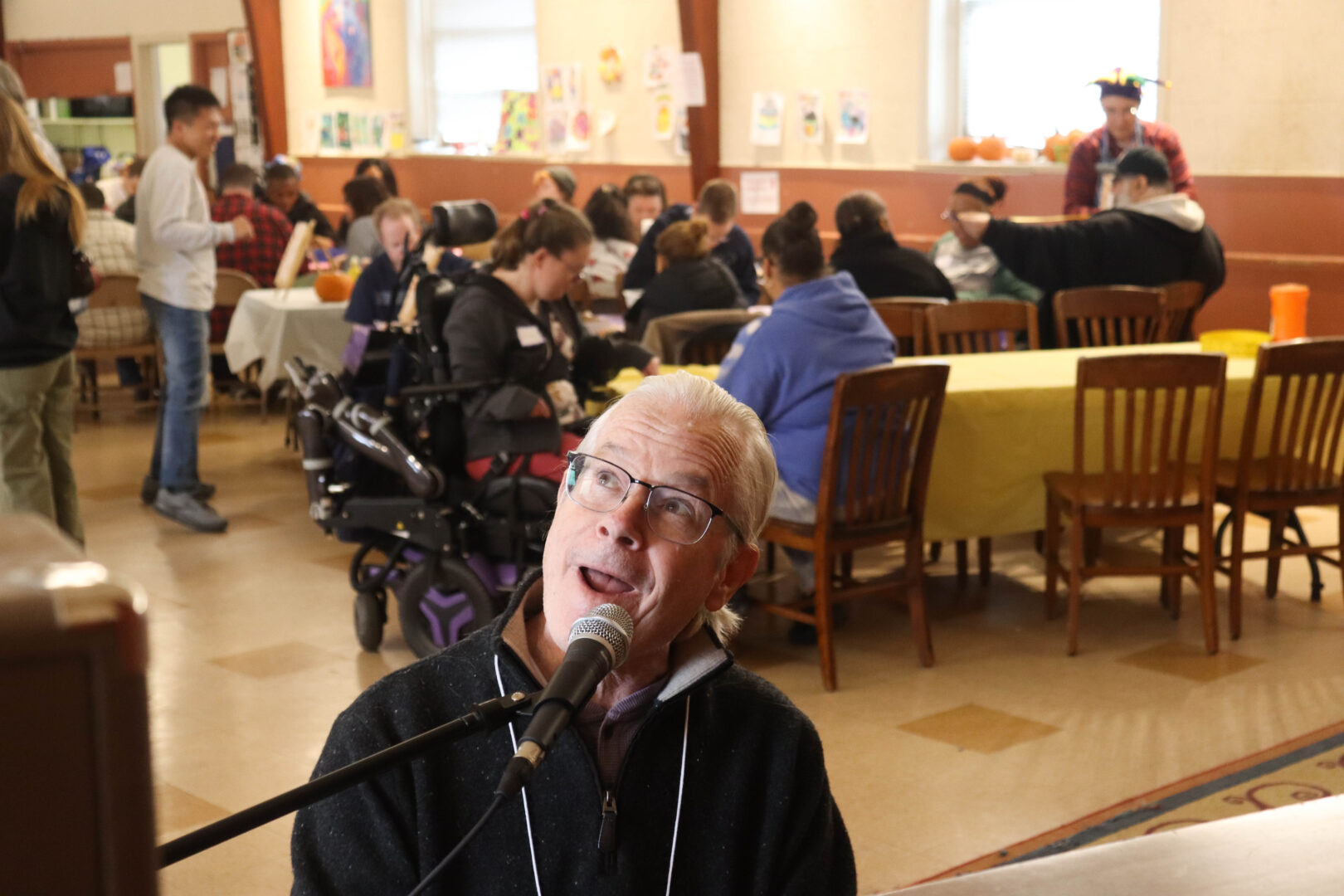
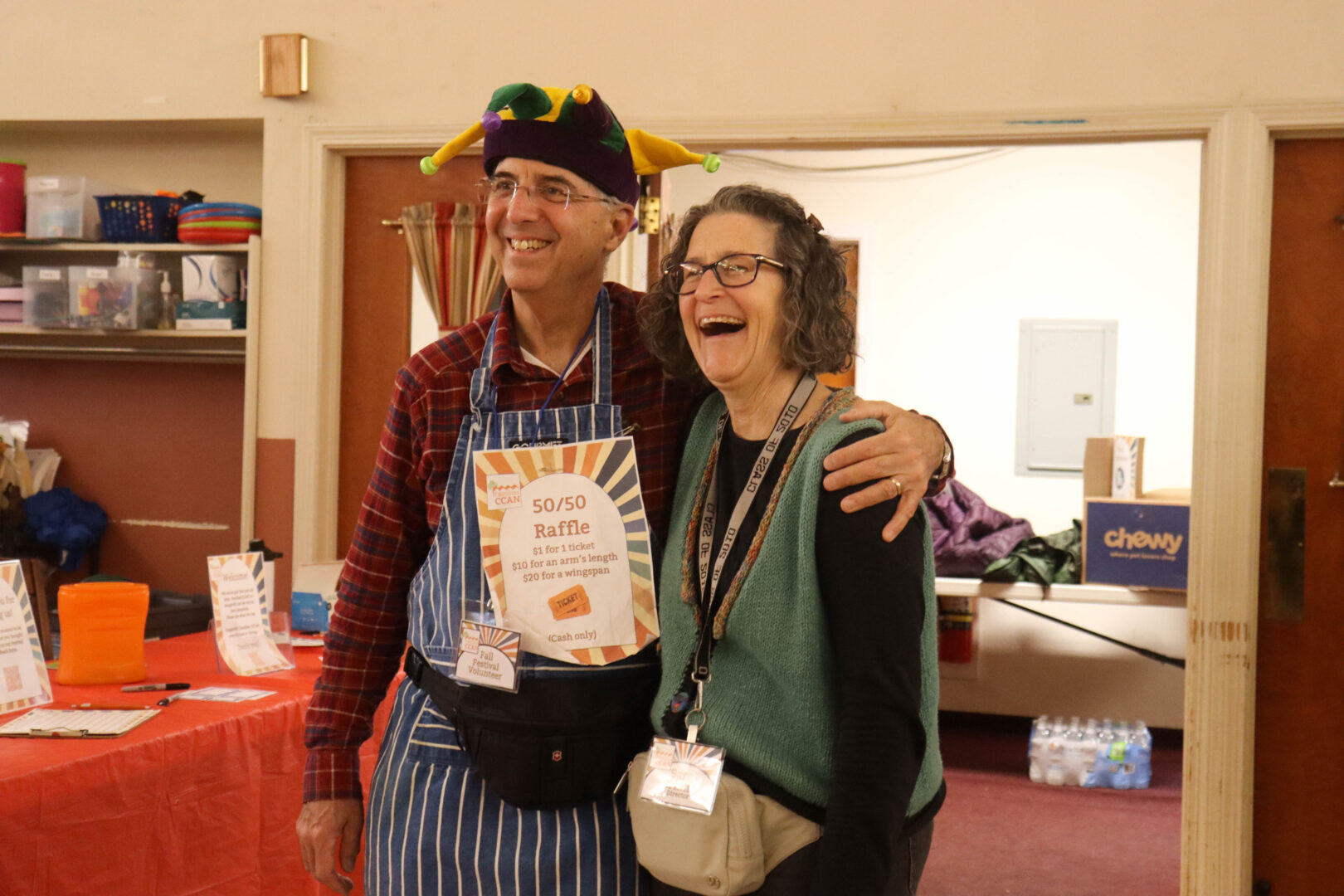
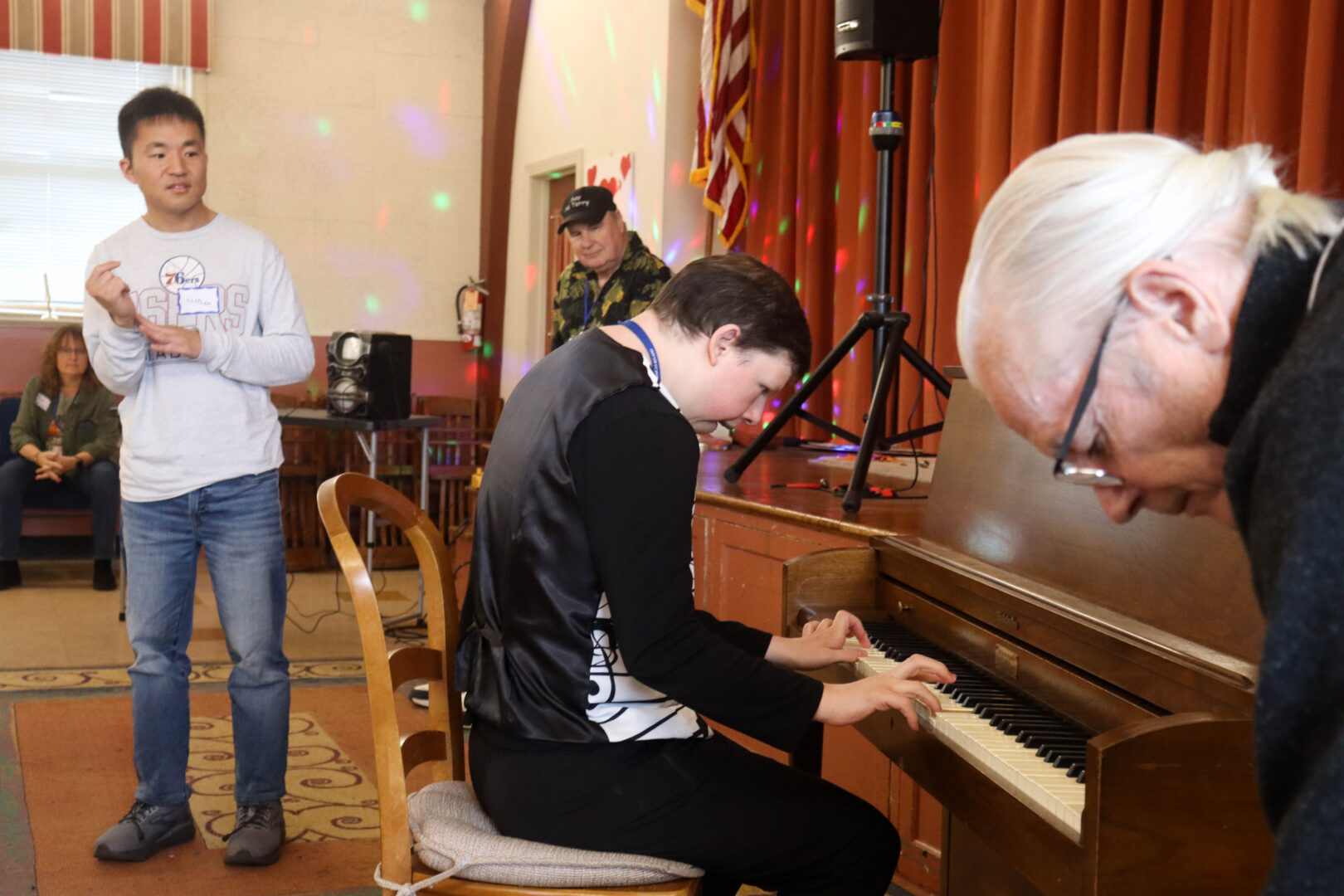
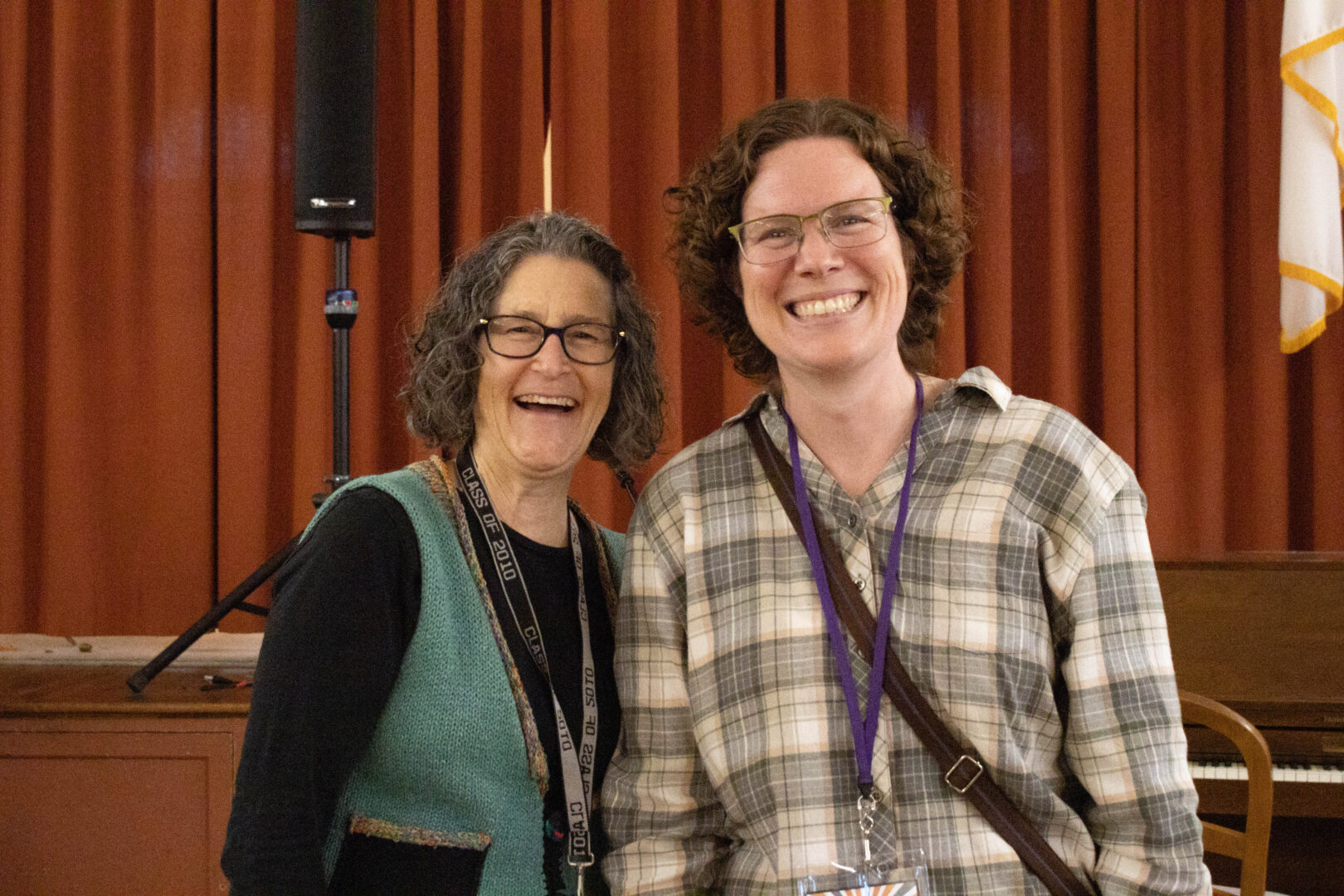
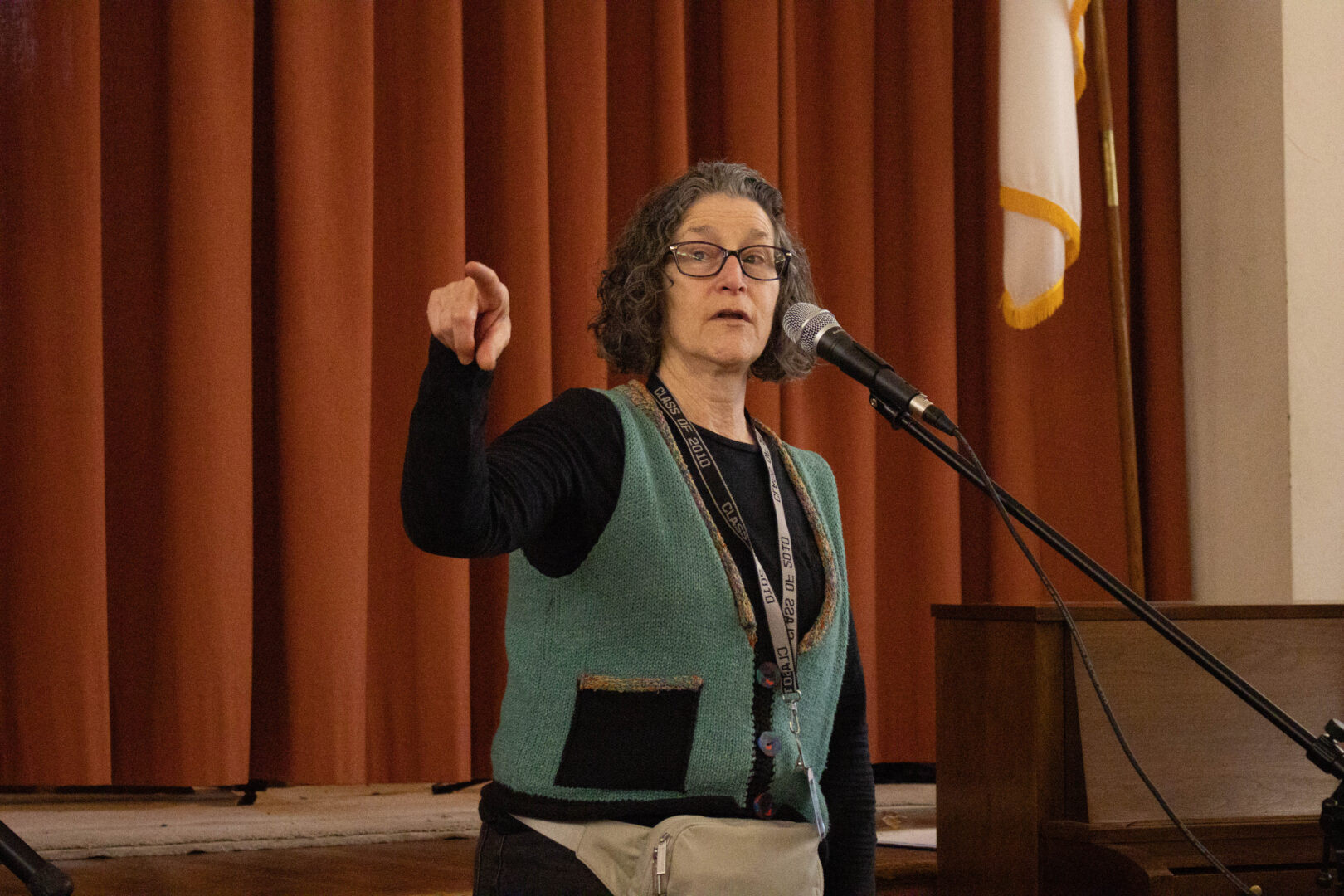
After twelve years of building a thriving online community for people with disabilities, Philadelphia-based non-profit Families CCAN (Families Creating Communities for Adults with Special Needs) stepped away from the screen on November 15 to host its first-ever in-person event. The Fall Festival, held at the Tree of Life Church in Springfield, transformed a decade of virtual mentorship and Zoom classes into a tangible celebration of creativity and connection.
The nonprofit was born out of a desire for a better future. Sara Crimm founded Families CCAN in 2013 as she was dissatisfied with state-supported programs for individuals with disabilities. She spent months meeting with experts to build a more resourceful, inclusive space that has helped hundreds of individuals.
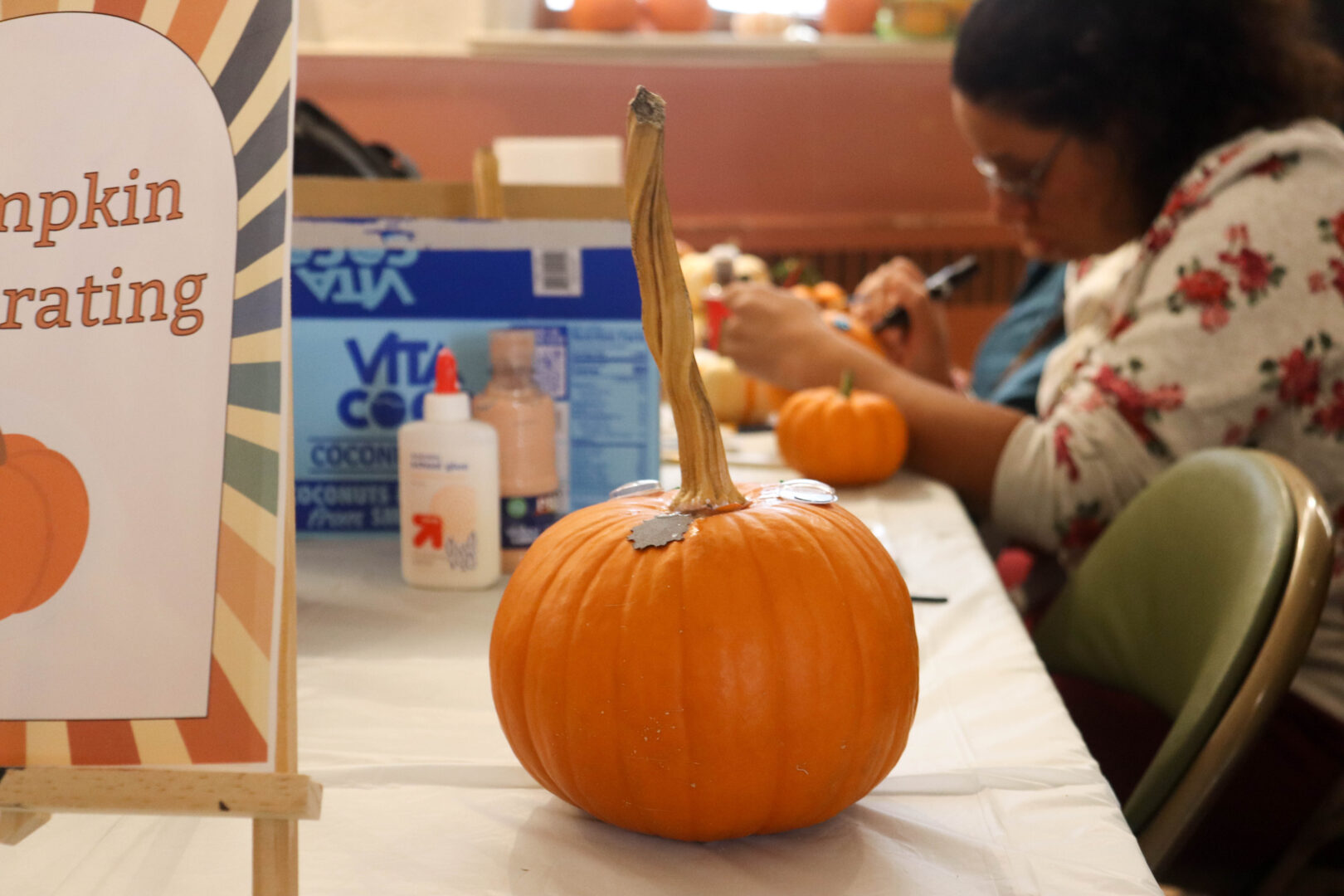
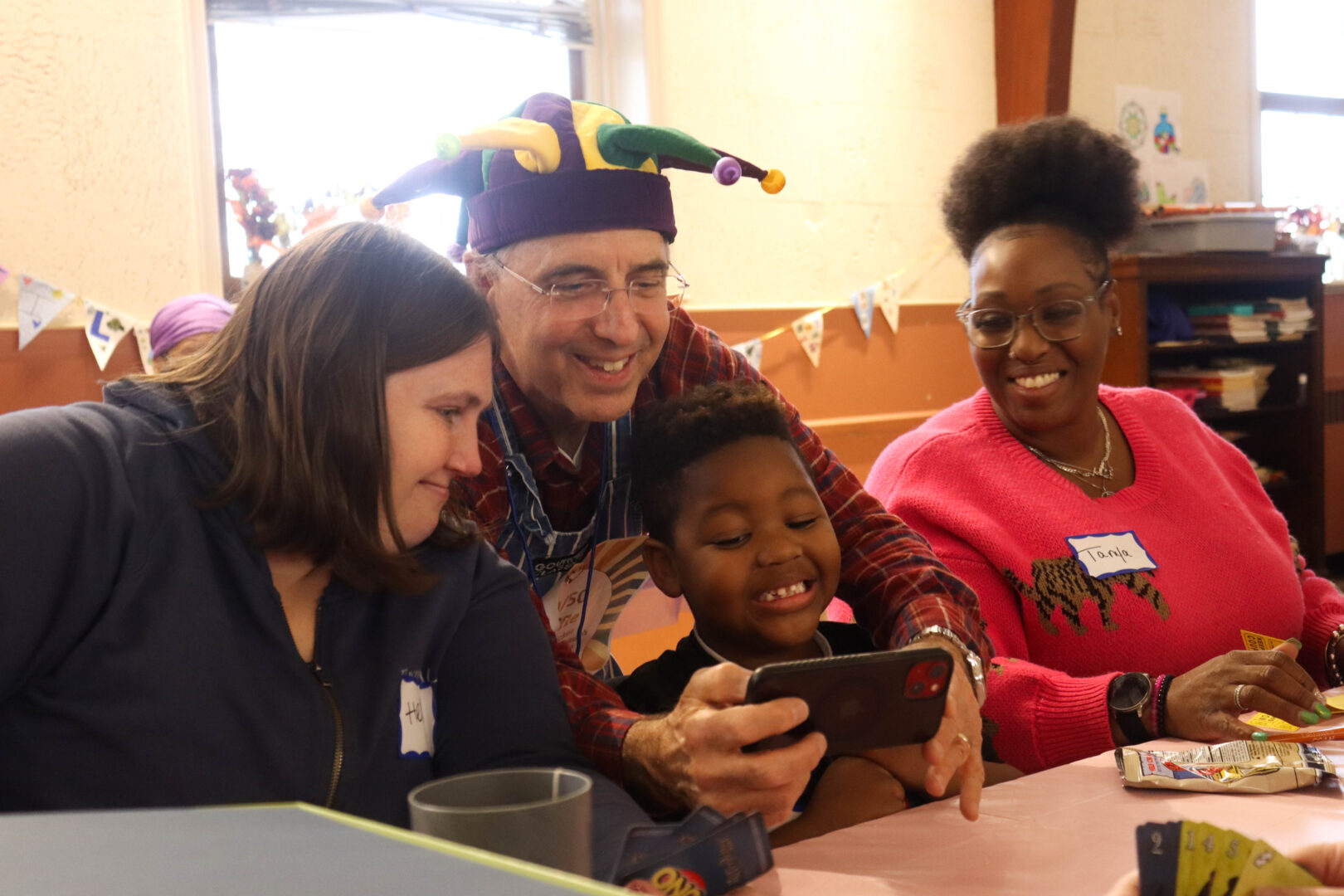
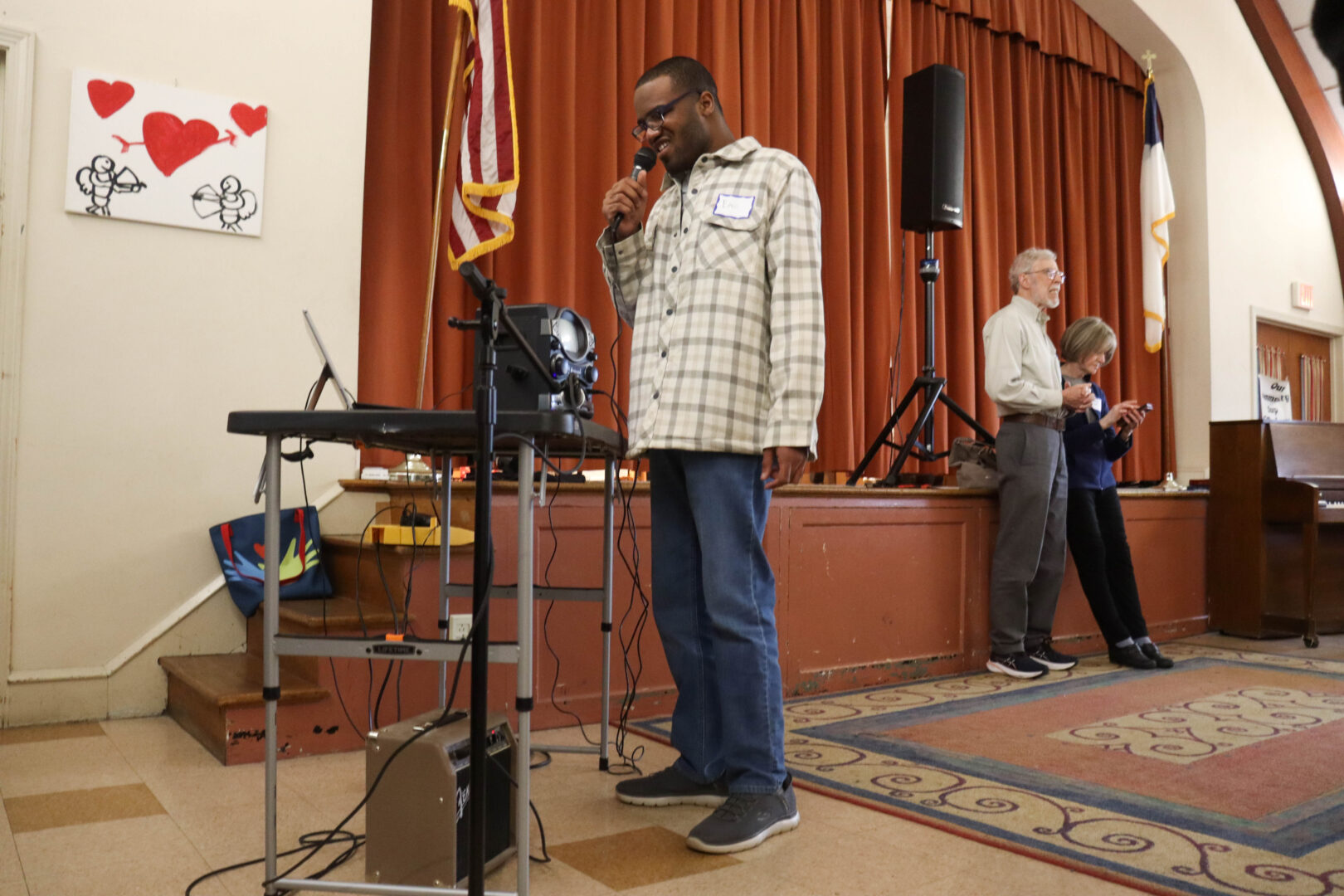
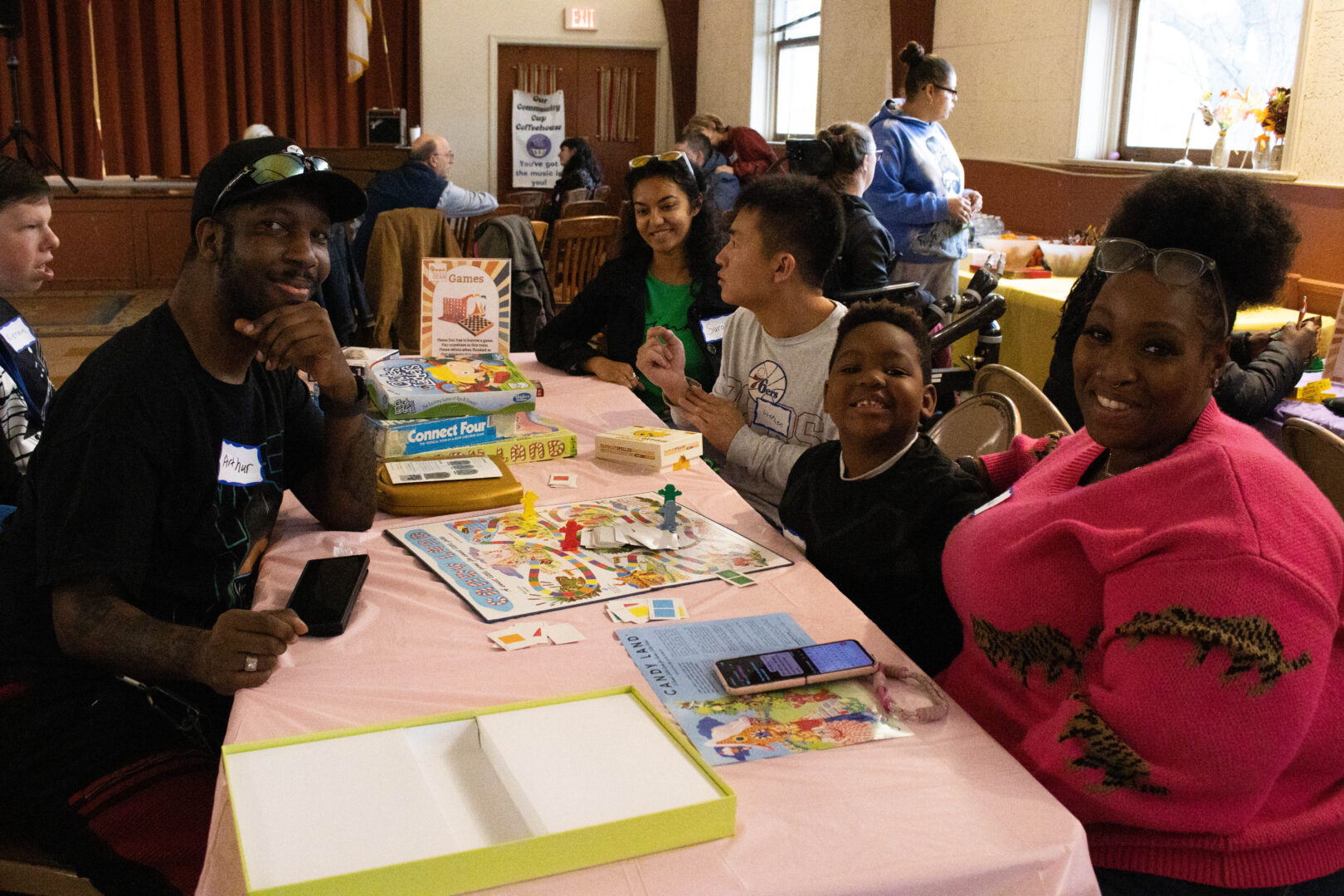
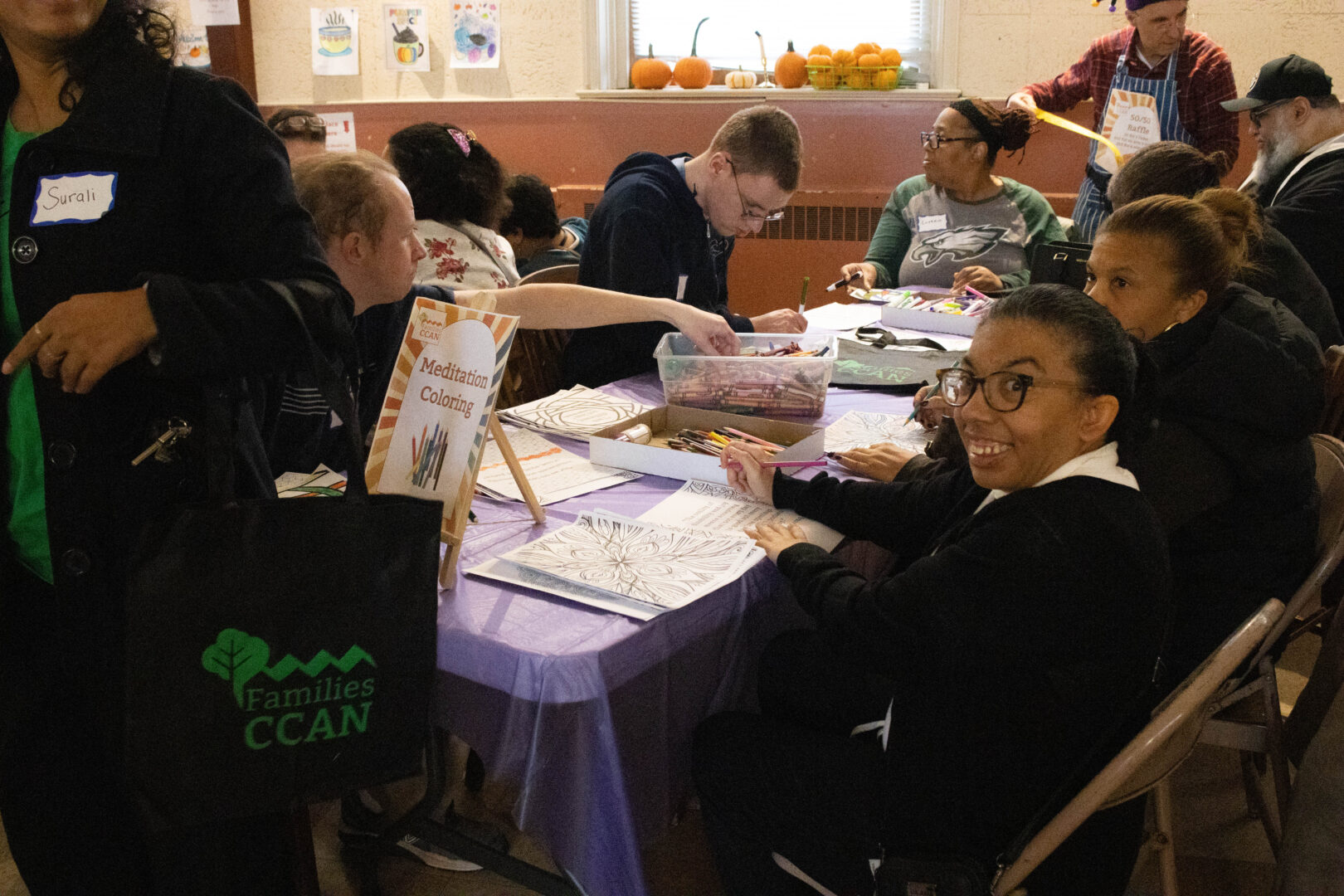
The November event allowed the online community they have built to celebrate a major milestone by hosting a gathering called the Fall Festival. The event brought families together for an afternoon of creativity, connection, and fun. Attendees enjoyed a variety of hands-on activity stations, including coloring, board games, LEGO building, jewelry making, and festive pumpkin painting.
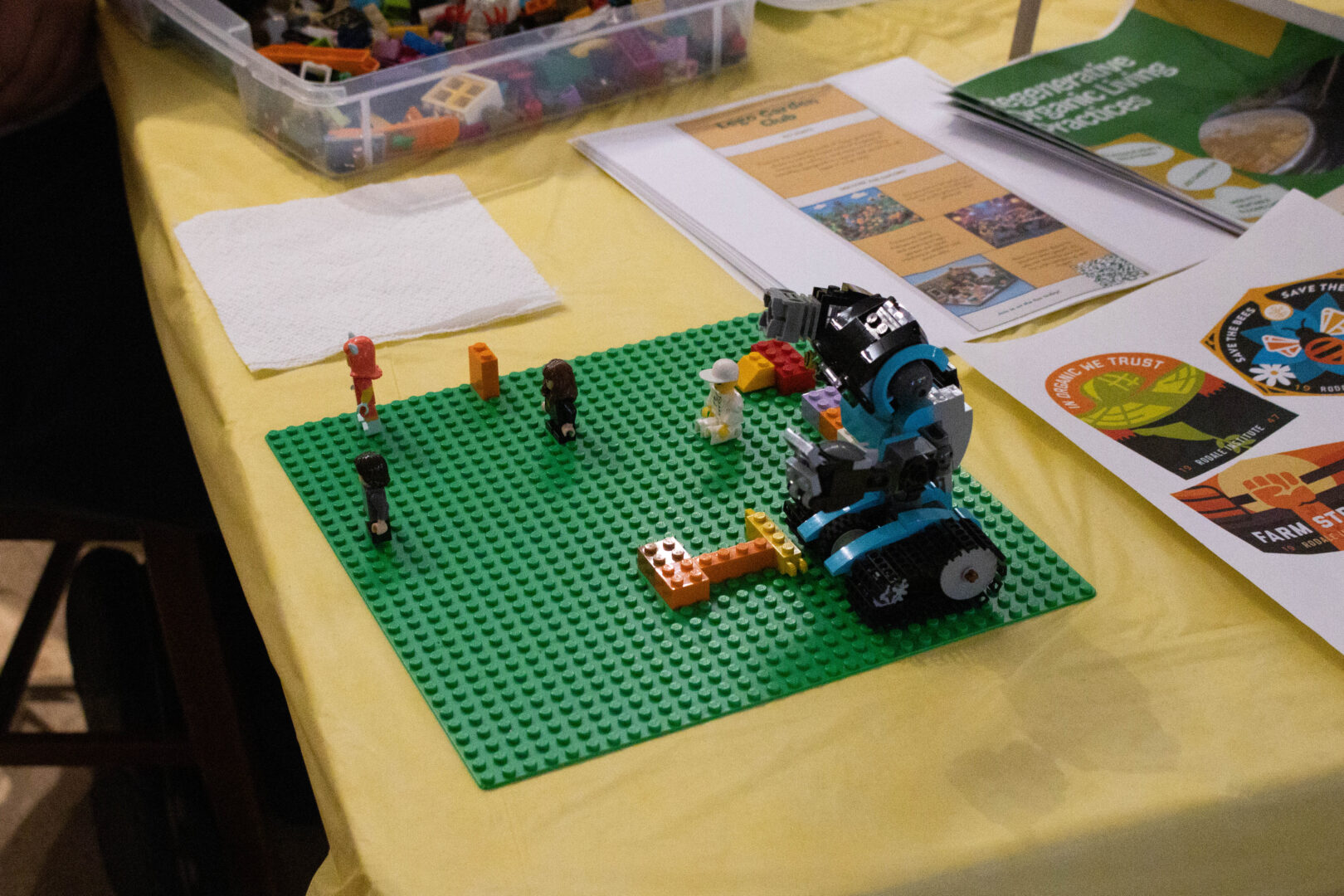
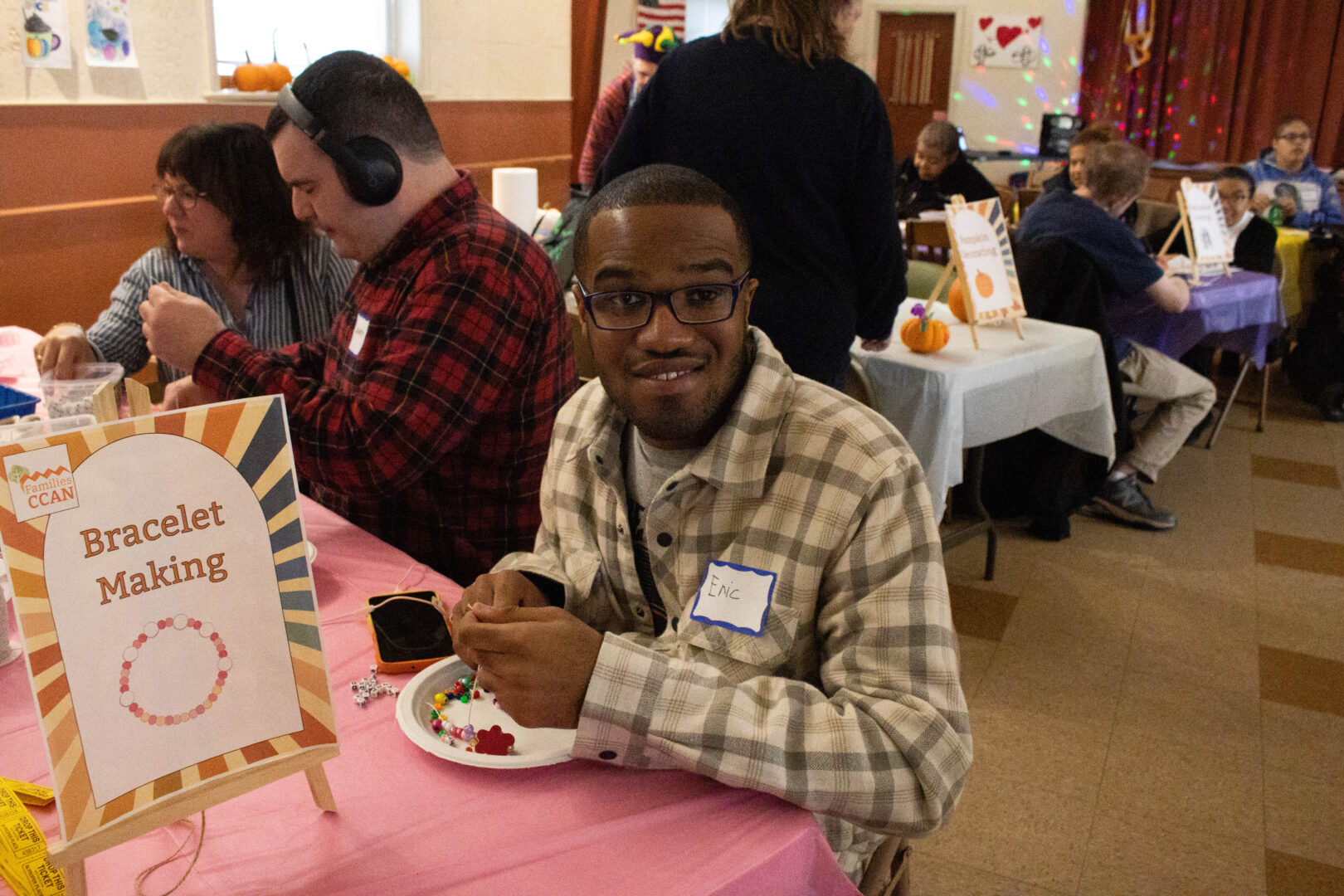
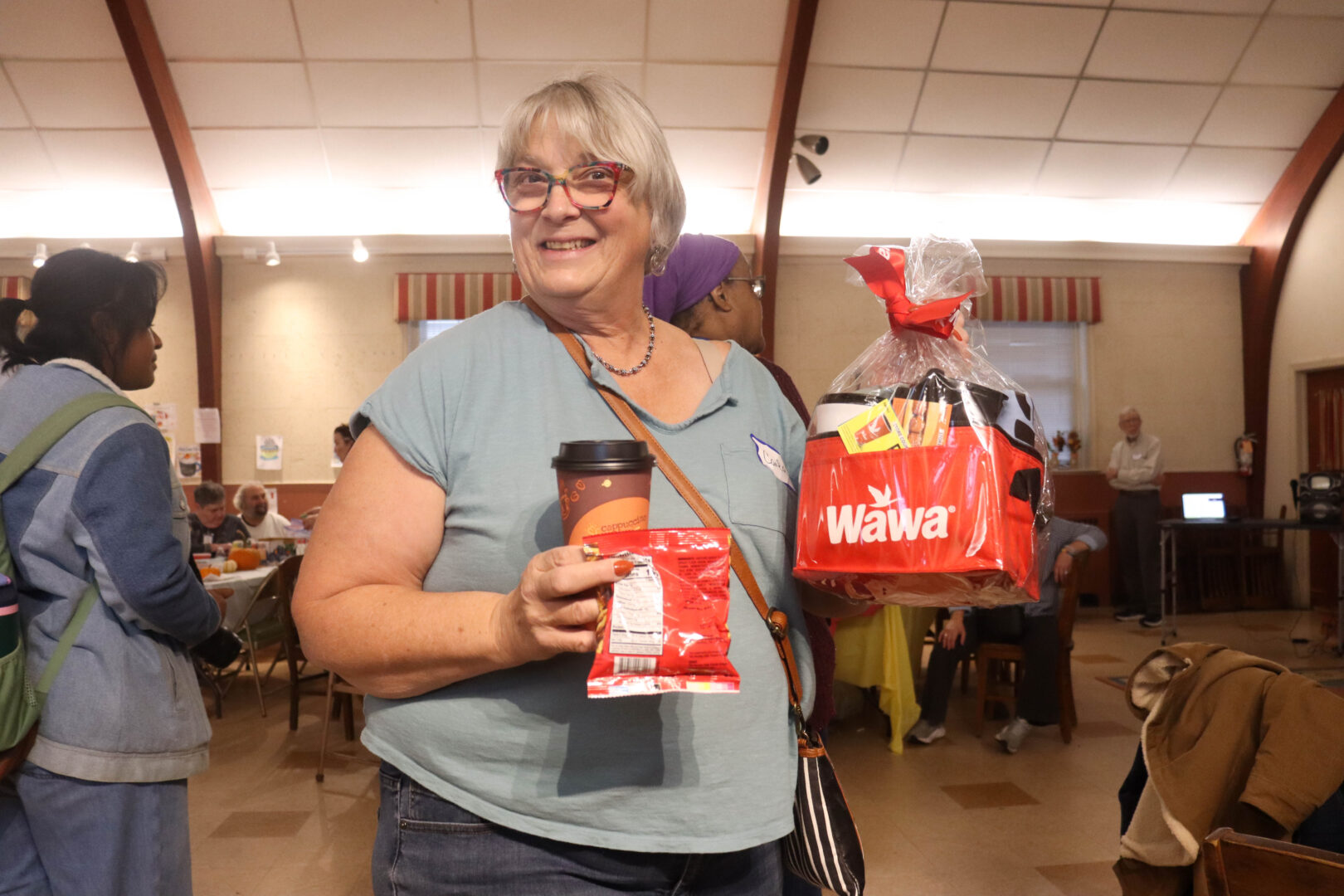
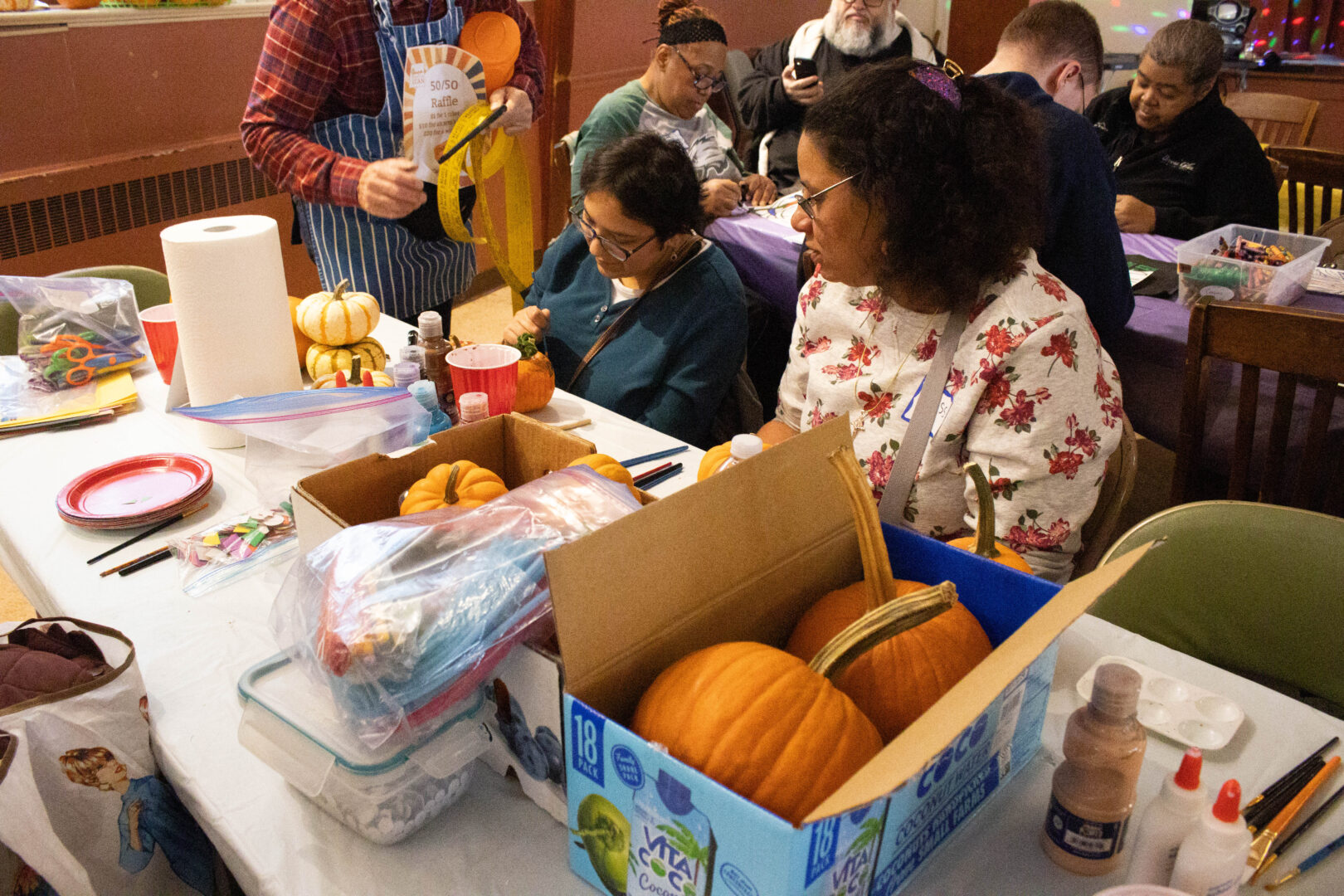
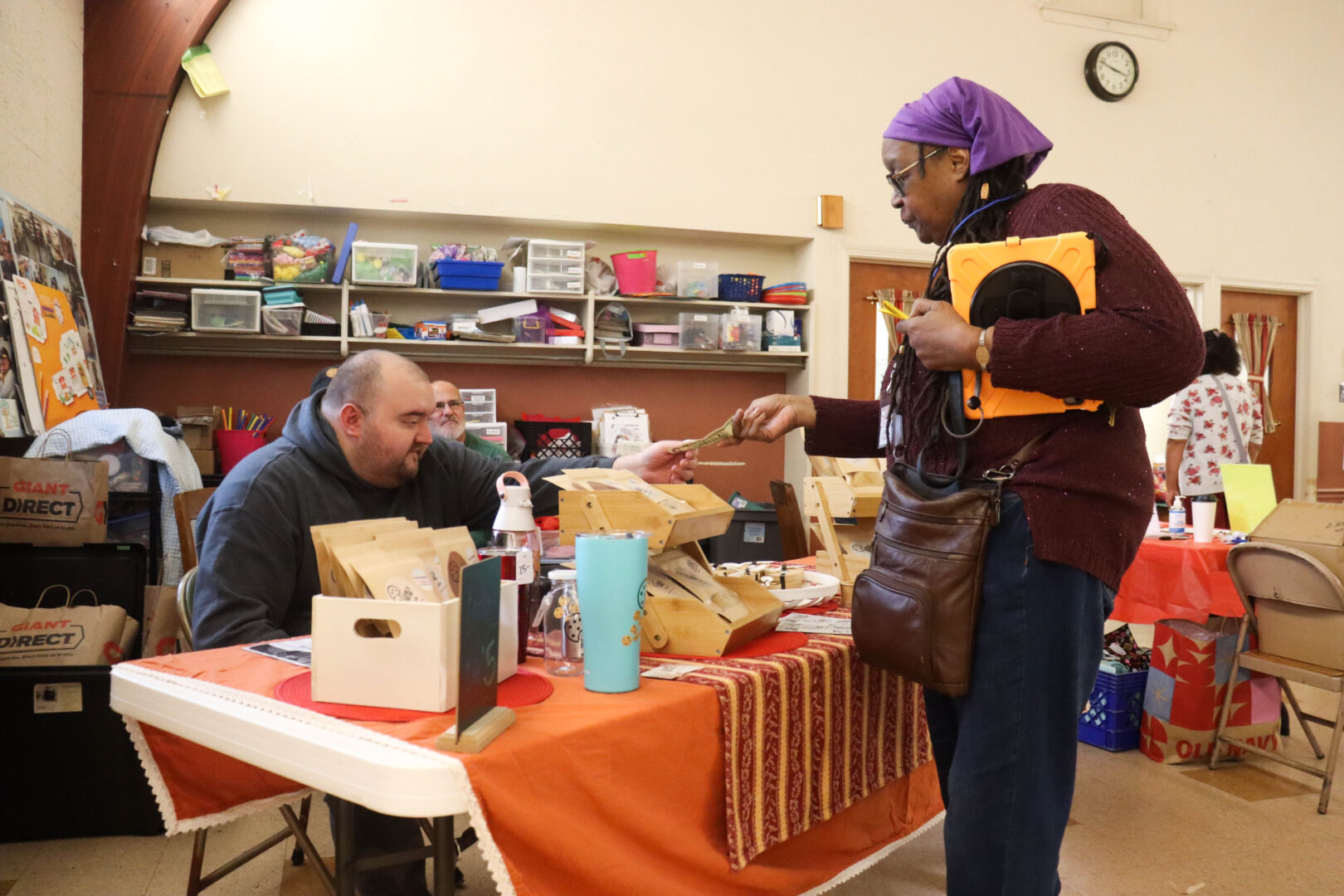
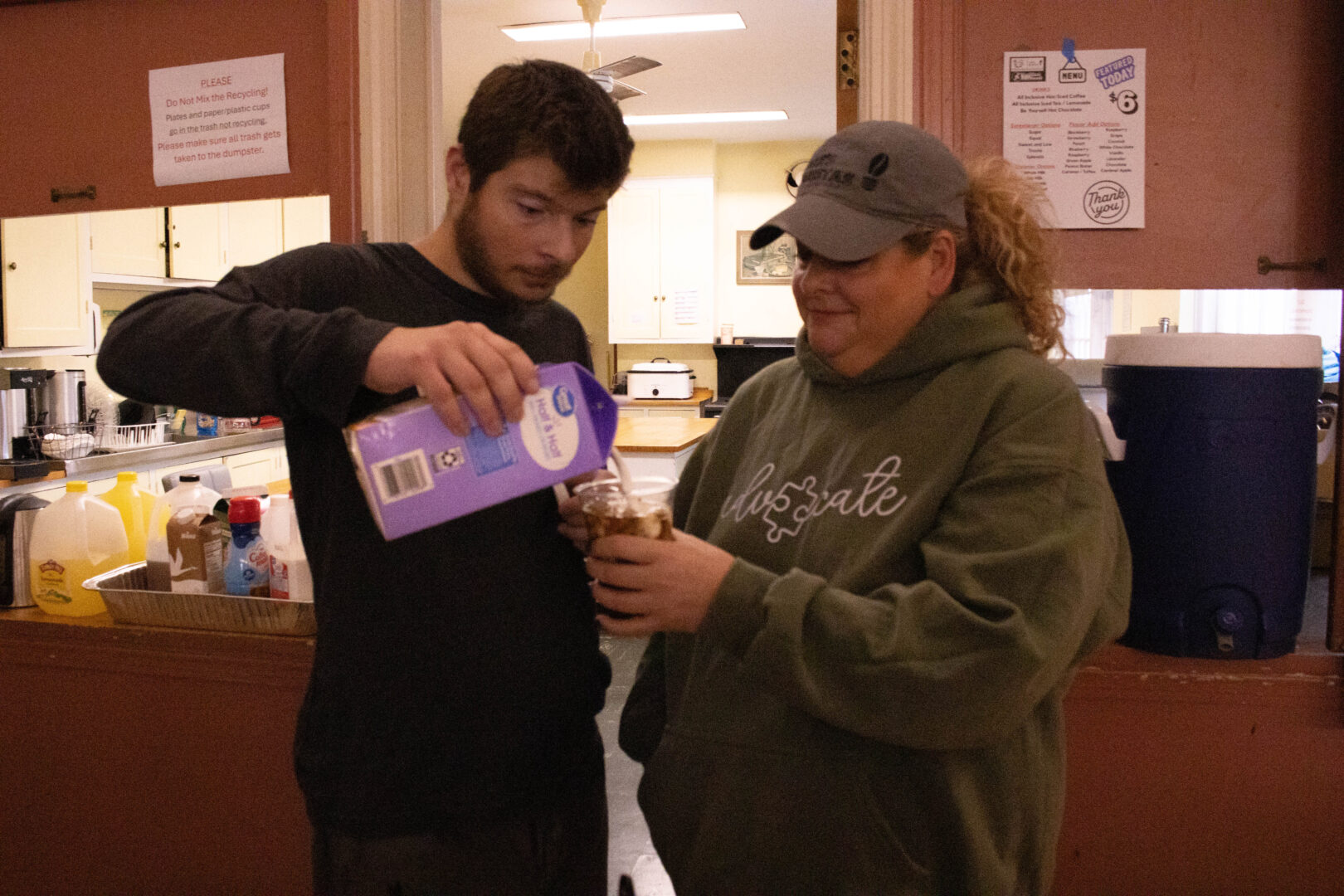
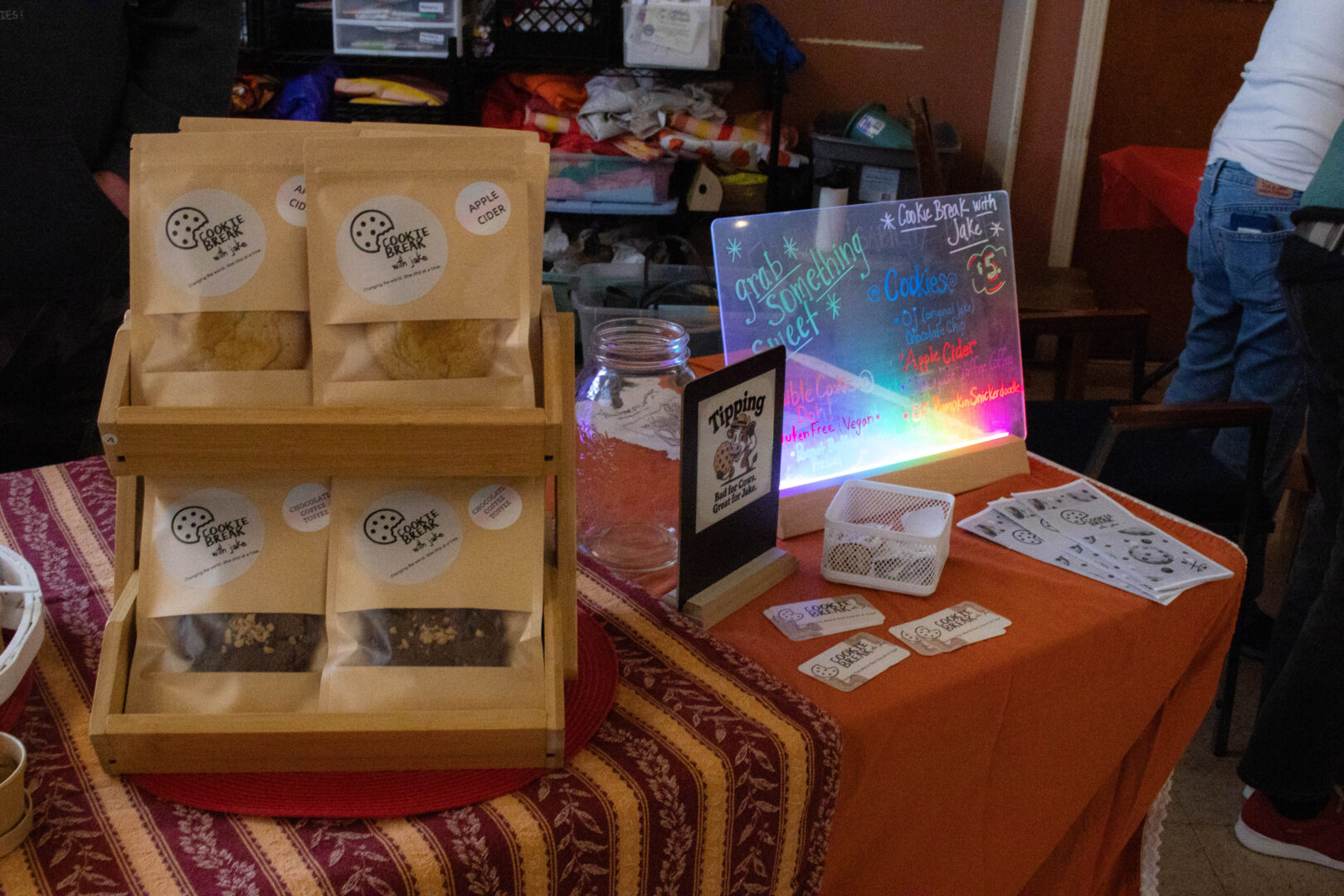
In addition to these interactive tables, the event proudly highlighted two local youth-run small businesses. Cookie Break with Jake offered guests delicious homemade cookies, all baked from Jake’s own original recipes. Nearby, Jake the Barista served an impressive menu of specialty coffee drinks, complete with assorted syrups and creamers. Jake has a variety of custom coffee roasts, created in collaboration with the Reading Coffee Company.
The festival celebrated community and creativity and showcased the talent and entrepreneurship of local business owners.
“Some folks are really hoping for more in-person things, so we’re going to see what that looks like. I will say that it makes sense for us to keep most of our programming online because we do have people who wouldn’t be able to join us in person,” said Abby Martucci, the organization’s program director.
Growing Independence in Community
The organization offers several programs dedicated to fostering the interdependence of people with different disabilities. Through virtual programs like peer-to-peer mentor workshops and Families CCAN Cook, participants can share resources, all on Zoom.
“The virtual platform is very accessible for people with disabilities. You can adjust your environment so it suits you, which is very hard to do when you’re in somebody else’s space. You can be in your own environment, which is comfortable and predictable,” said Crimm.
Crimm notes one particularly special Families CCAN Cook session. Instead of logging off to eat the food they made, participants were encouraged to stay on the Zoom, listen to fancy dinner music, and talk. Sara had prepared a few prompt questions, and, to her delight, conversation was flowing without them.
“It’s just sort of interesting how it doesn’t seem to take a lot to have this community connection, because people want to be sharing. I think there’s a lot of loneliness and feeling isolated when you live with a disability,” said Crimm.
Families CCAN offers several other programs that provide the space and resources for people with disabilities to achieve their own goals, such as the formerly available workshop, Housing Readiness.
Across five or six sessions, participants and family members were informed about how to begin looking for apartments, leases, and financial requirements. After noticing that it was difficult for people to participate in all of the sessions, Crimm and Martucci started offering the information sessions in their one-stop workshops. The workshops guide participants through shared, practical goals for an hour on Zoom. Next week, Martucci is offering her workshop on one-page profiles, which are a useful tool for people to represent themselves to employers.
“I think there’s this idea that there’s one way to live independently, which is just not true,” says Martucci. “There’s no endpoint to independence. Even if somebody is already living [independently]–like our instructors, who are amazing folks, every time we meet, it’s like, oh, I learned how to do this cool thing. I’ve not reached an endpoint of learning and independence, and I’m middle-aged already. Who knows what anybody is capable of achieving?”
Both Crimm and Martucci emphasize funding as a primary issue in the non-profit. Through limited, project-based grants and minimal state budget allocation, Crimm describes her and Martucci’s roles as “jacks of all trades” to accommodate gaps in staffing.
It was partially the poor funding allocated from the state of Pennsylvania that drove Crimm and her husband Allan to create Families CCAN. After their son, Ben, was diagnosed with autism, they began to wonder about the livelihood and quality of life for people with disabilities in a society where they aren’t accommodated. The couple would attend group homes and sheltered workshops, in which they said the state paid sub-minimum wages to people with disabilities.
“I just didn’t like that people with disabilities were sort of warehoused, and it was okay for them to spend all their time with other people with disabilities,” said Sara Crimm. Dissatisfied with the state model that was clearly being supported the couple began meeting with different organizations and experts on a monthly basis to learn more about how to provide a resourceful space for people with disabilities. In 2013, Families CCAN was founded after Sara Crimm left her previous career.
Peer-to-Peer Mentorship
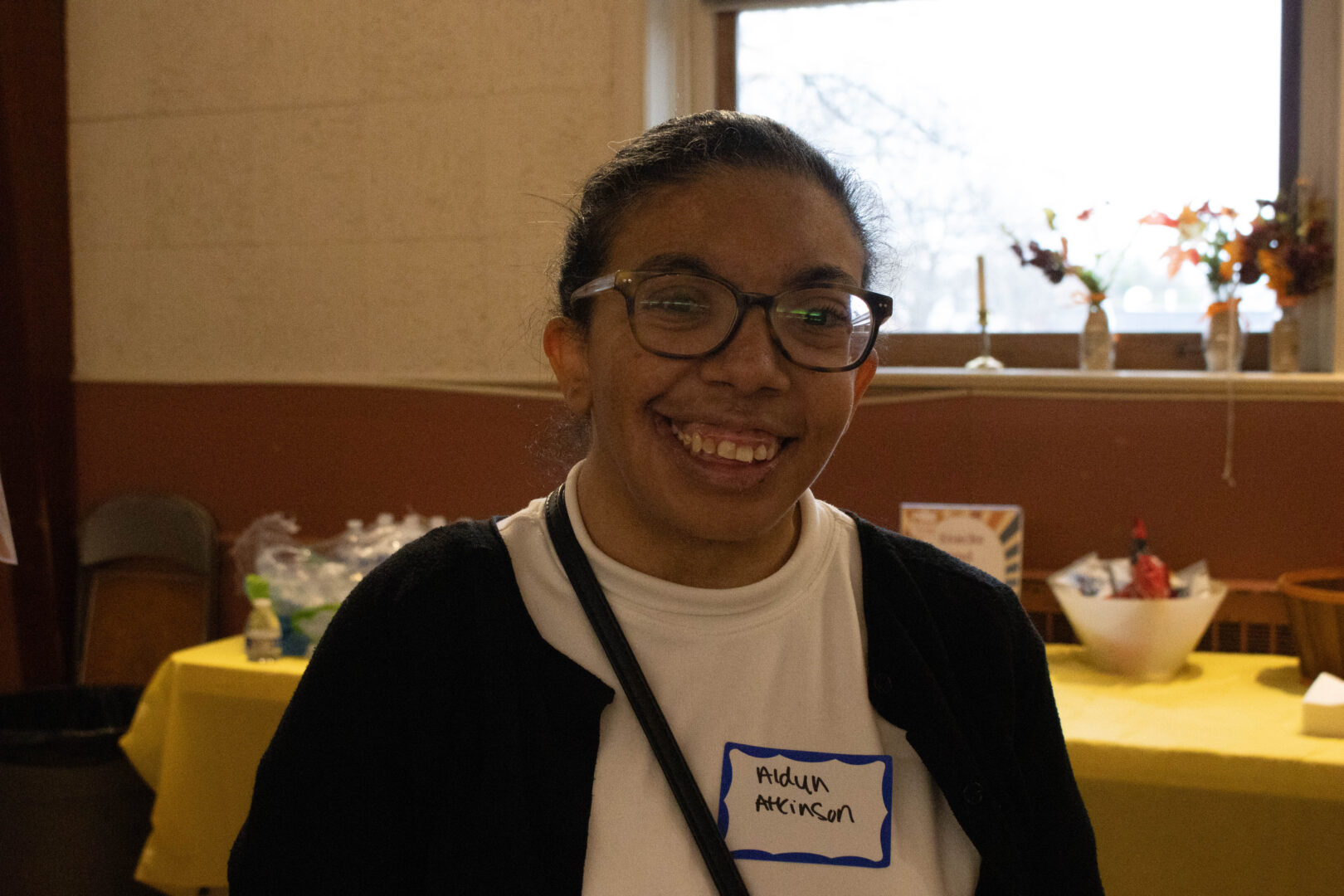
Peer-to-peer mentor Aldyn Atkinson has been working with Families CCAN for three years. Based in Philadelphia County, Aldyn helps participants of Families CCAN with food safety.
“I like to help other people and to keep them safe while cooking. I talk about myself, and then I talk about food safety and how to eat healthier,” Atkinson said.
All of her work is done virtually, and she meets with people over Zoom three times a year.
Atkinson explained how she first joined the program, meeting the program director through one of her friends. Her love for helping and teaching others led her to join the program as a peer-to-peer mentor.
She especially loves to cook, which is why her focus as a leader is food safety and dietary health. In addition, Atkinson enjoys getting to know the participants during their meetings.
Atkinson explained her joy in working with the organization.
“They’re friendly, and they listen. They help me to feel more confident,” she said.
Atkinson, who attended the Fall Festival, spent time at the coloring station and used the opportunity to meet new people- and those she had known before but never met in person. Atkinson expressed how she hopes they get to host more events together since the first one was enjoyed.
Life Skills Learned in Cooking Classes
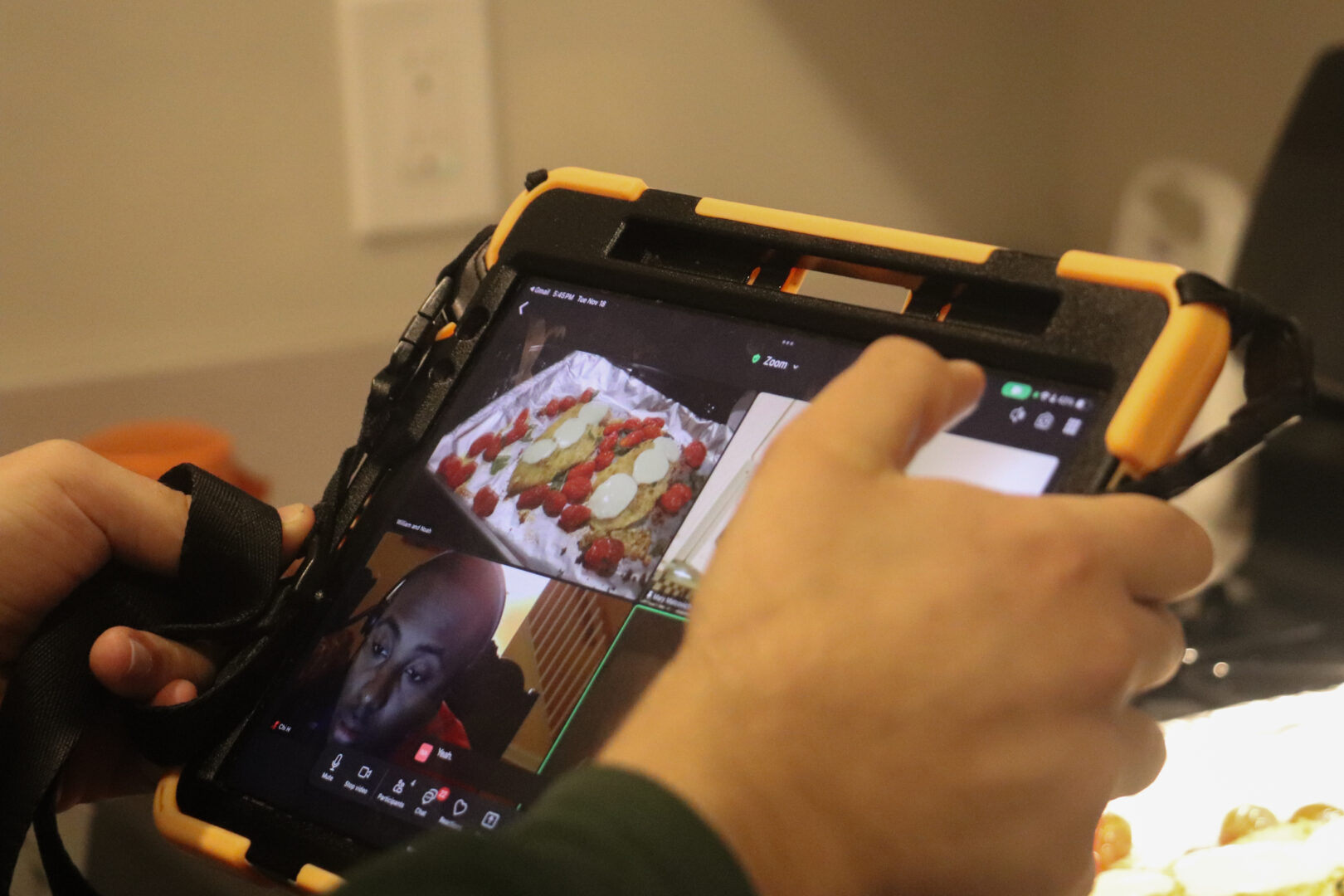
Family CCAN holds a virtual cooking class on Tuesdays called Families CCAN Cook to assist those with disabilities in learning to live independently.
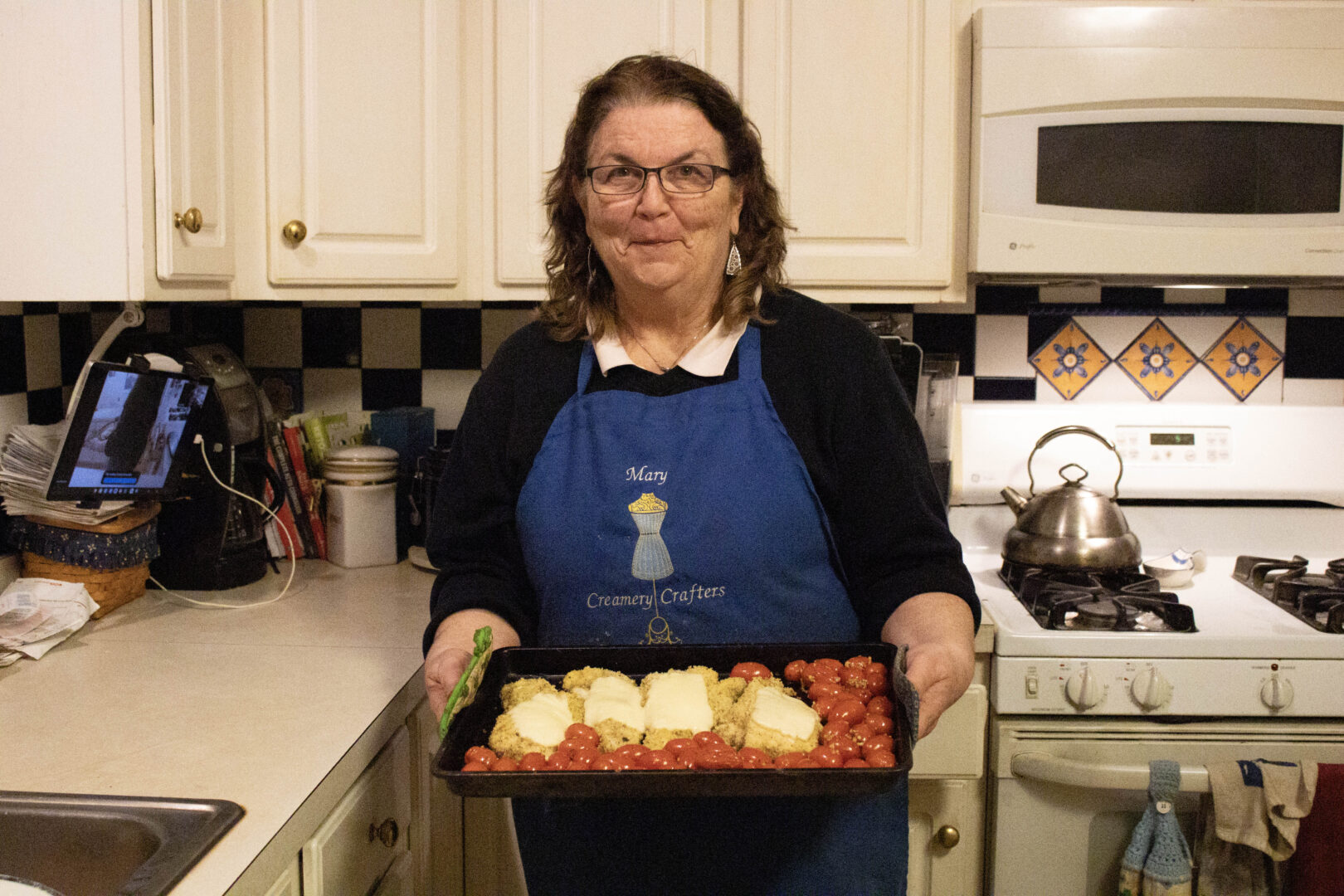
Mary Matcovich, the instructor of the cooking class, guides participants step-by-step as they prepare an entree, side dish, and dessert. Matcovich has always been passionate about cooking, as she frequently cooked with her mom as a little girl.
“I started cooking when I was old enough to use the stove,” says Matcovich. “The first thing that comes to mind that we used to make was spaghetti and meatballs.”
She has been the instructor for the Families CCAN Cook class since the COVID-19 pandemic, after Crimm asked her to.
“Sara called me up one day and said these parents with disabled children can’t get out to get pizza on Friday nights, as they are limited with what they are able to do with their disabled children. So, would you be interested in running a cooking class to give people a variety of meals they could cook at home? I said yeah, I’ll do three or four, and then I started getting a really good response from the kids, so I just kept going,” Matcovich said.
Since starting the Families CCAN Cook class, Matcovich says she has run about 150 virtual sessions. These sessions have run in 6-week increments since the start of the class.
Matcovich is a retired family and consumer science teacher, so she has extensive experience making cooking accessible. She also has a son with a disability, so she has an important understanding of what skills people with disabilities need to live independently. She ensures that the meals for each class are simple and accessible for the participants. Crimm and Matcovich also coordinate in advance to send the recipes out to the participants prior to the cooking class.
“We make things that don’t have to be broiled. Anything that has few ingredients and steps. If I can find a no-bake dessert, I will make that. If I find a skillet dish, I will make that. We have also done some things in the oven,” said Matcovich.
Some of the meals they have made include a six-week session of soups and sandwiches, breakfast for dinner, and different types of chicken dishes. While Matcovich teaches, Crimm also helps to make sure the class keeps up with each step.
Matcovich has many memories from teaching this cooking class, but there is a clear favorite.
“I got a picture one time of one of the individuals who was cooking showing me what he made, and he had a big chef hat on,” she said.
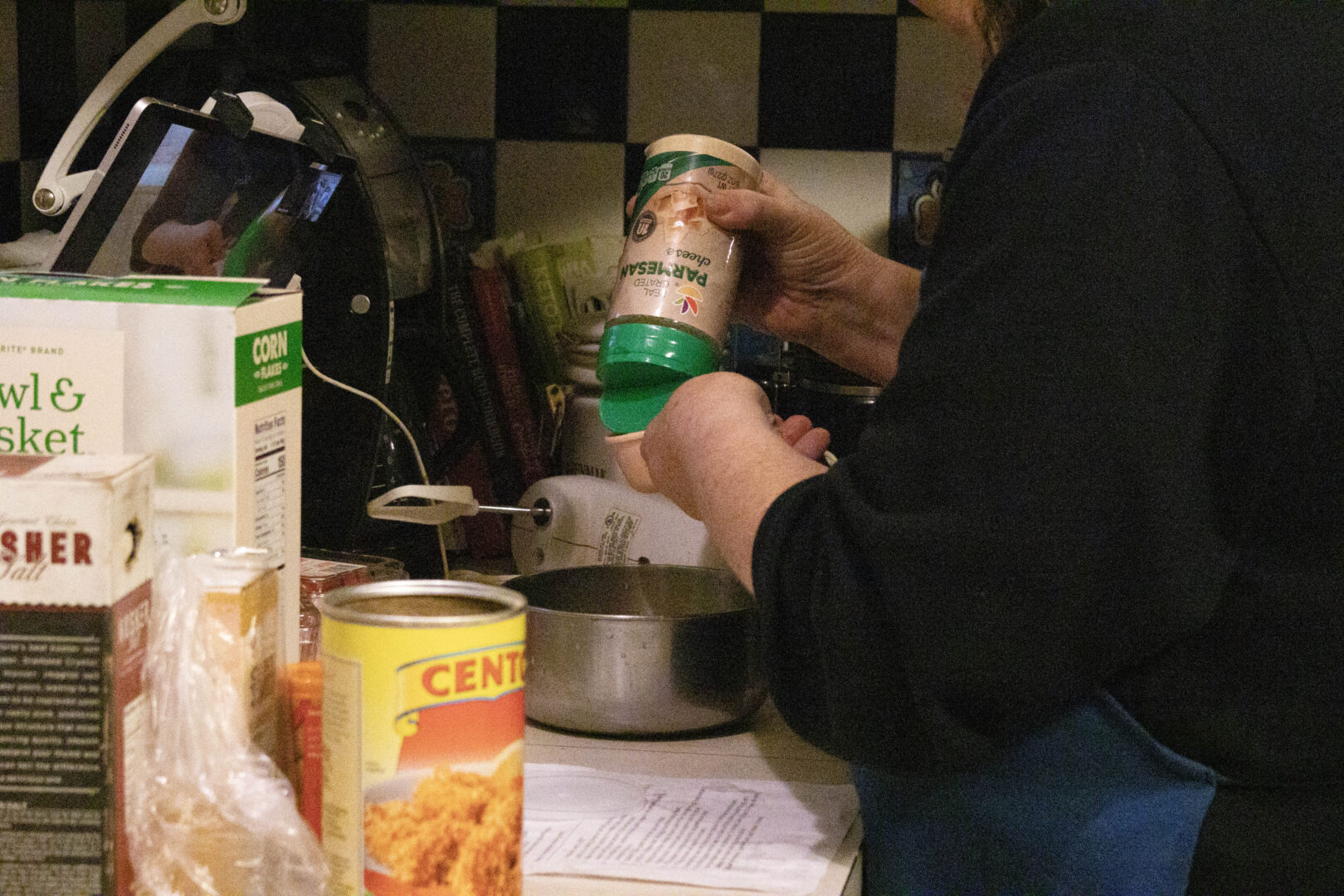
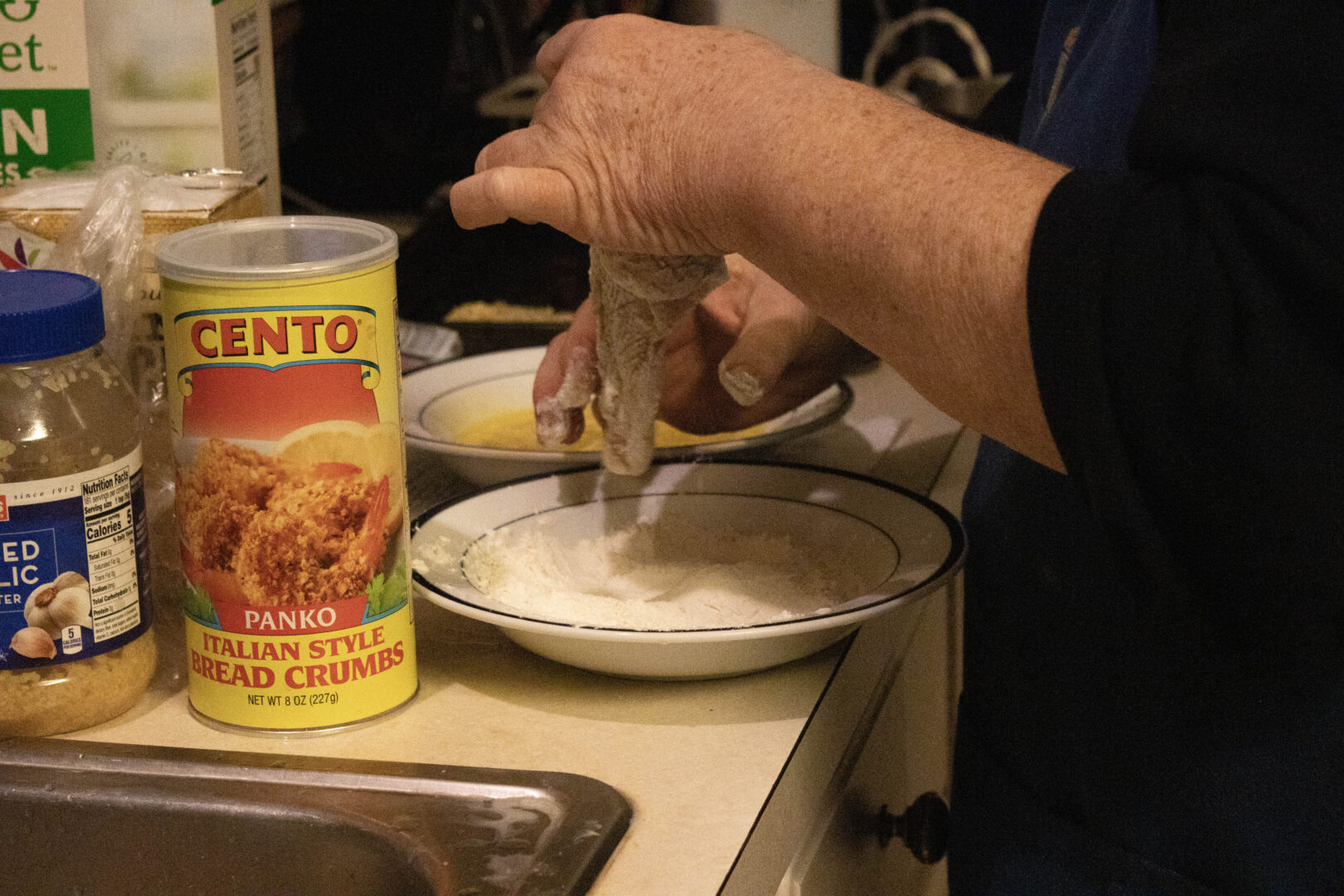
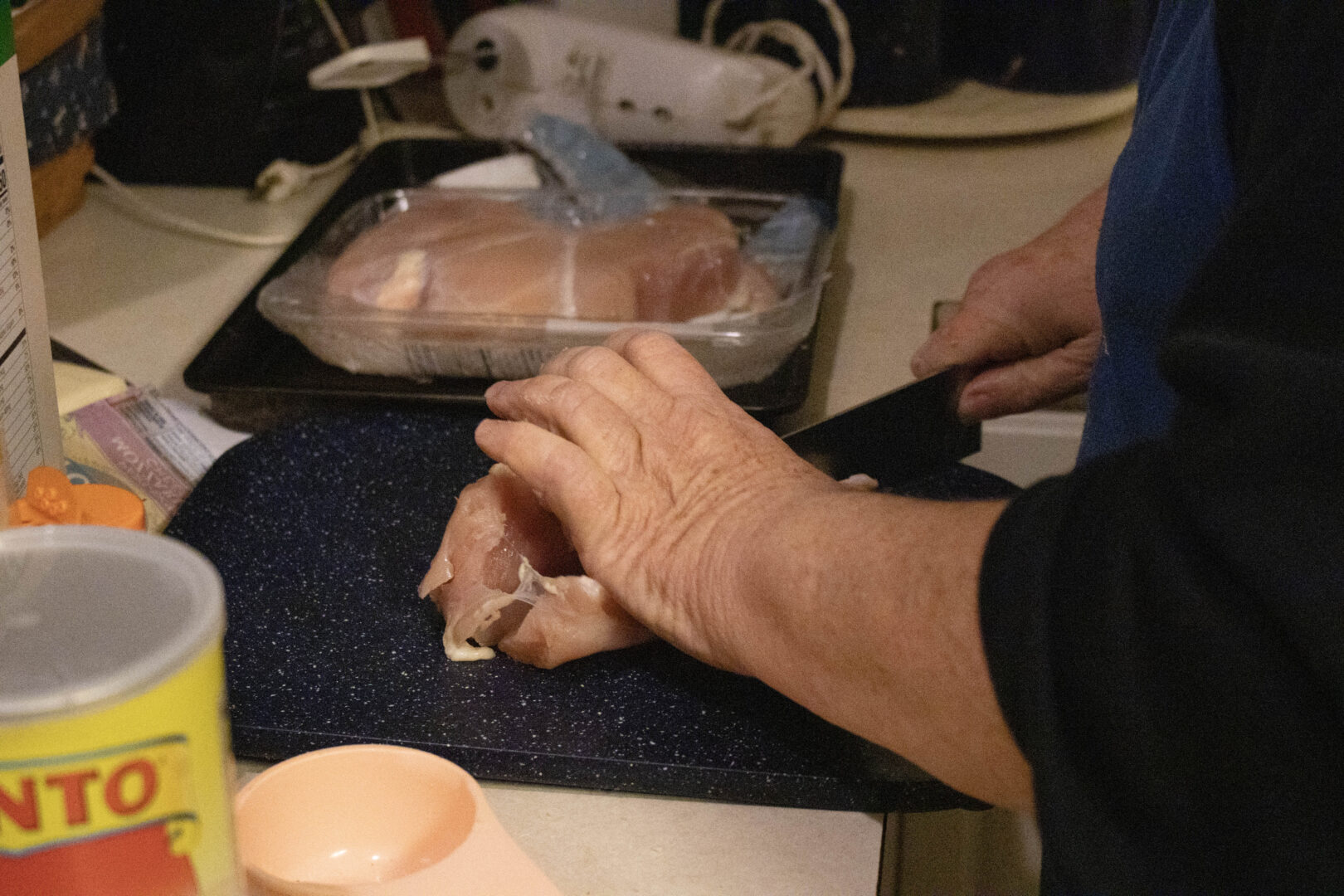
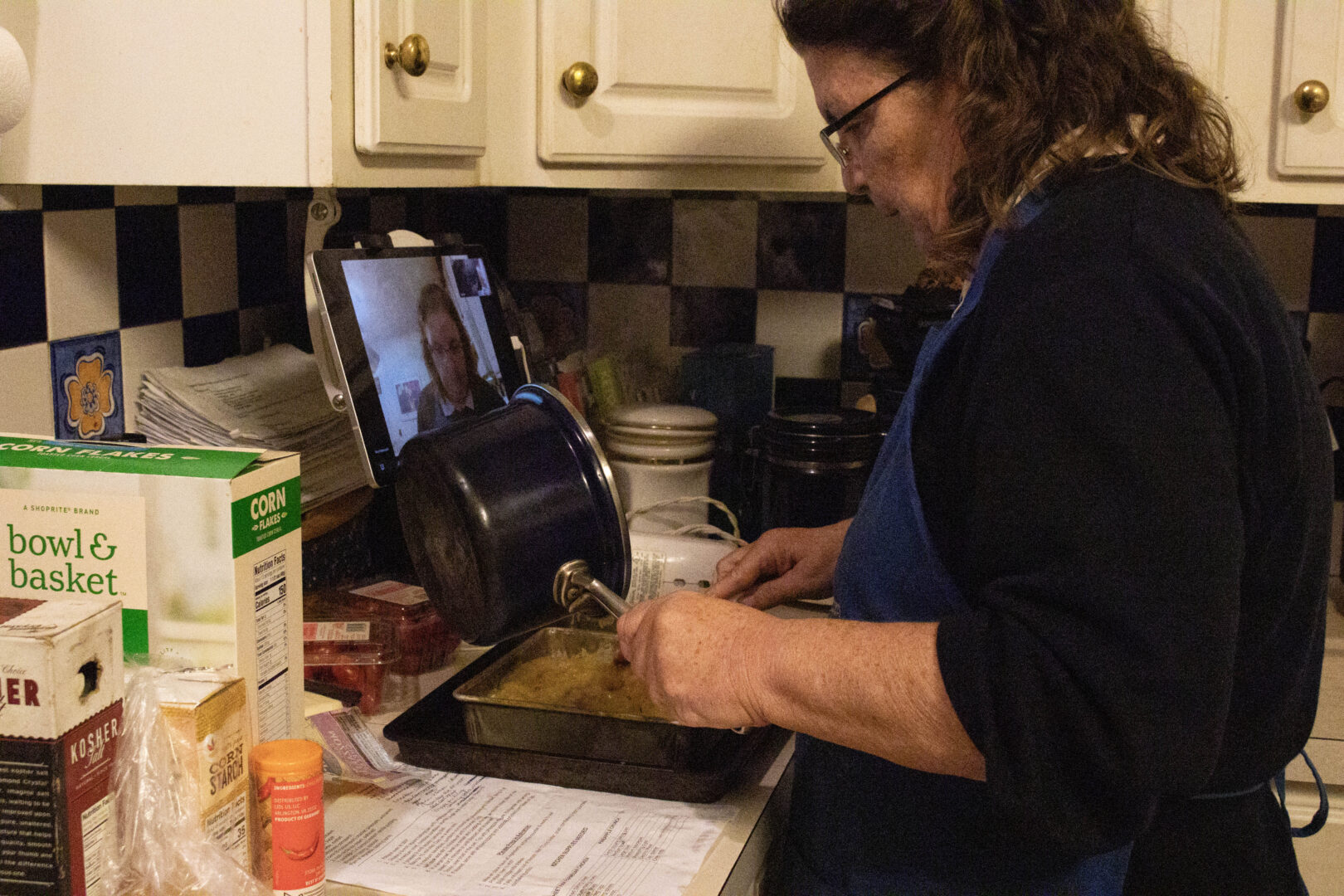
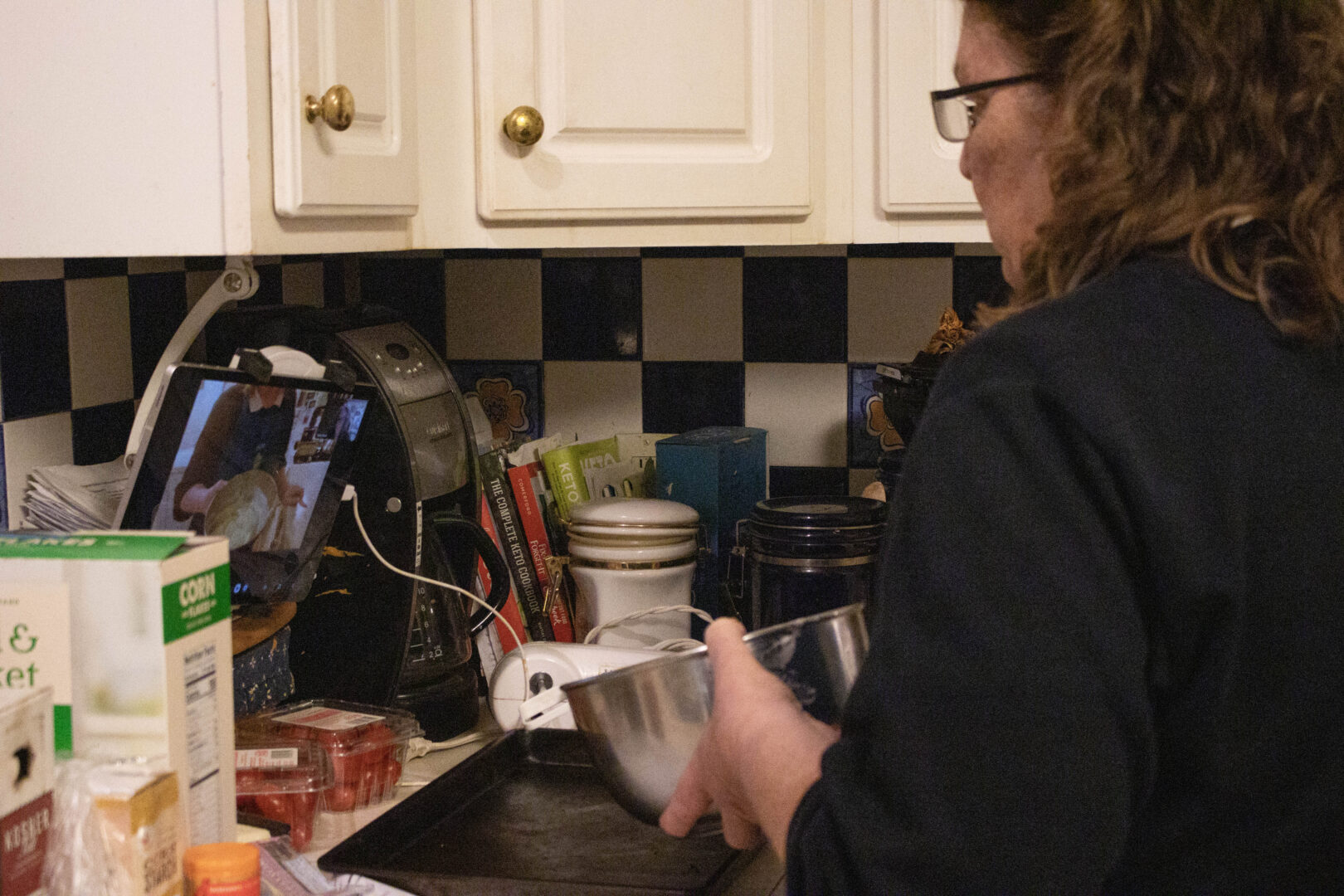
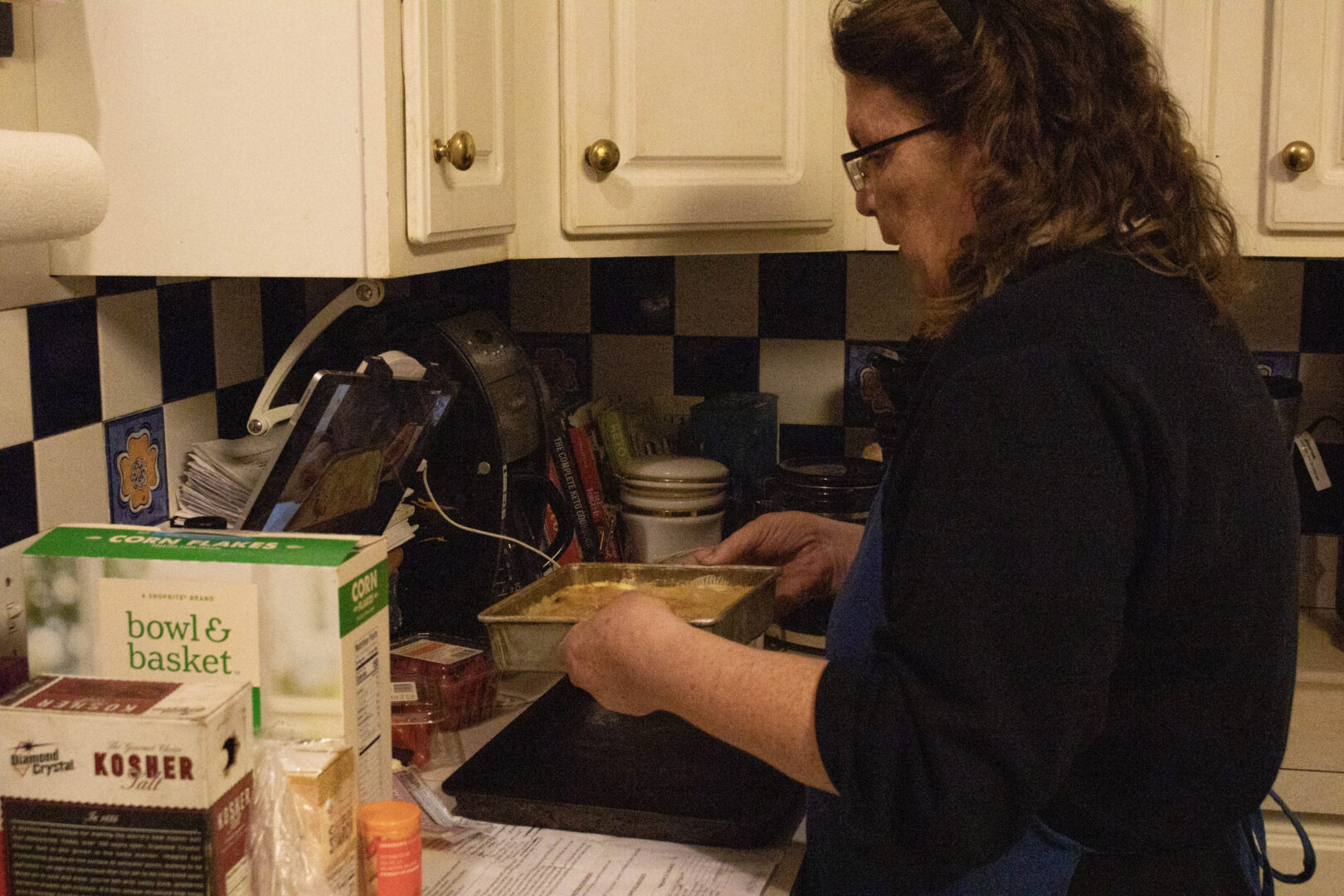
One of the attendees of these cooking classes is Aubrey who greatly enjoys cooking and finding new recipes. Aubrey is 27 and has been with Families CCAN for about 10 years, when her father worked at Peaceful Living– a non-profit for helping those with disabilities- and met Crimm’s son.
She has attended over 100 cooking classes with Families CCAN over the years. Her mother keeps all of the printed recipes in their kitchen, where they reuse them frequently. Her mother said they only miss a cooking class when they can’t adapt the recipe to be kosher, or they have something else to do.
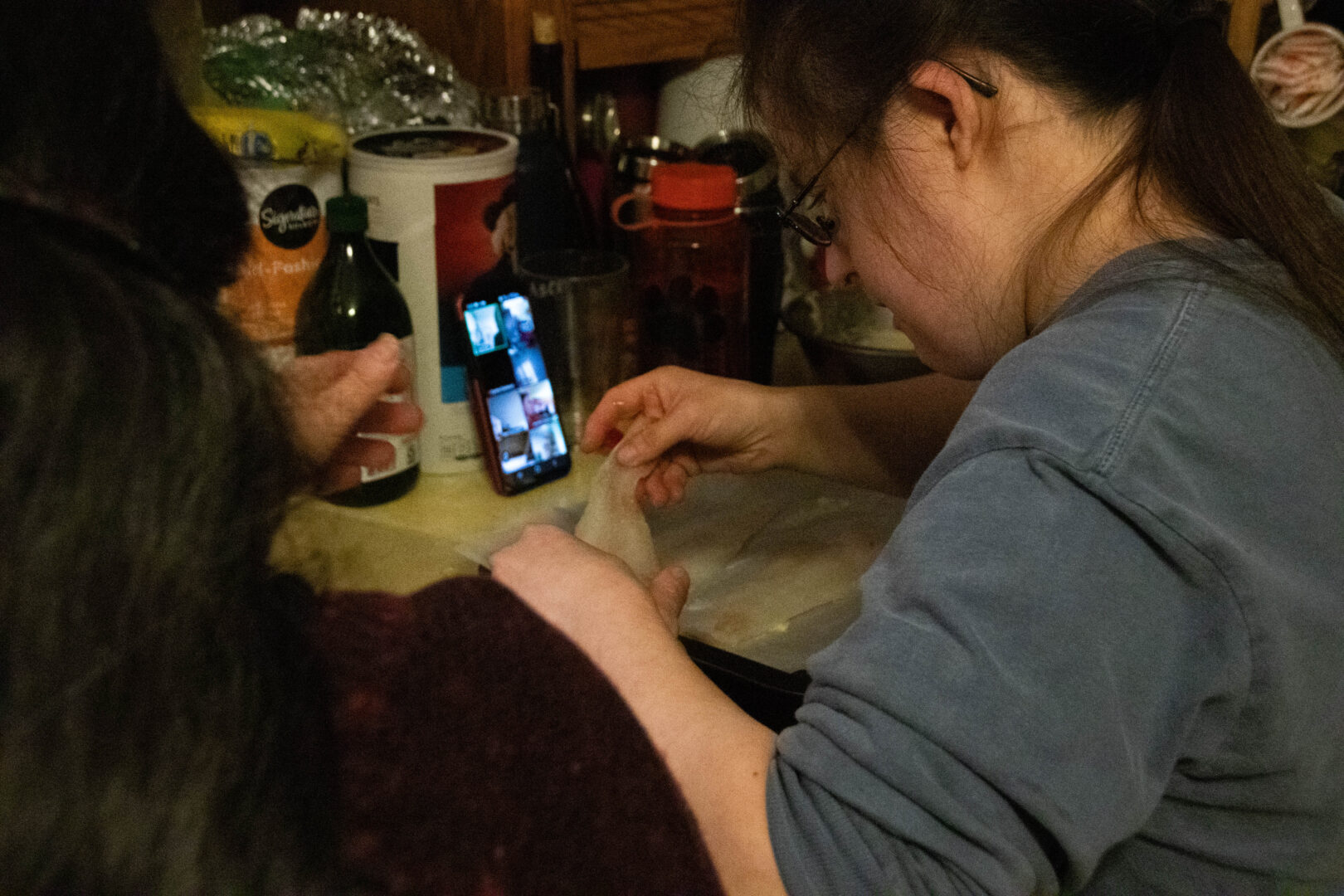
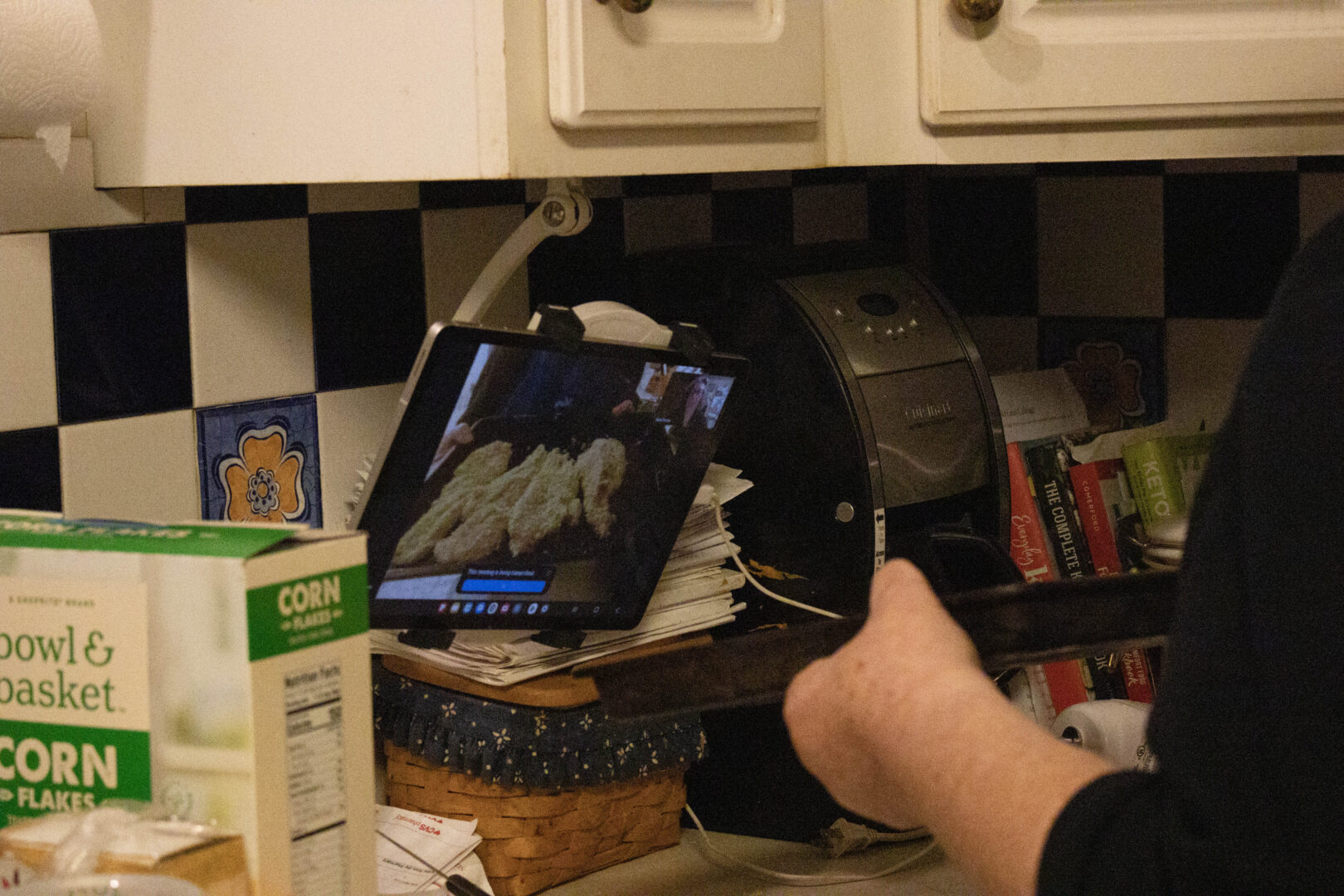
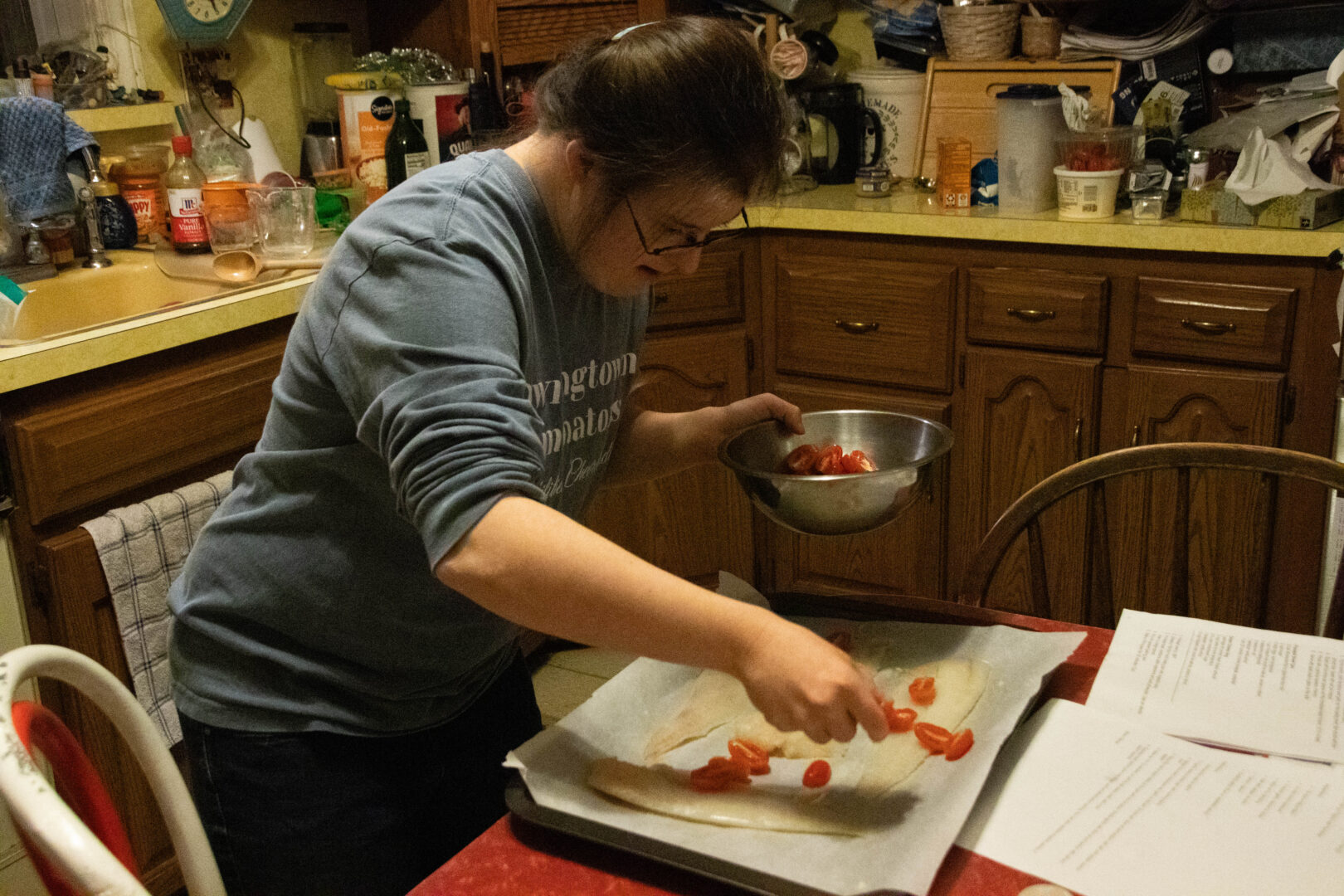
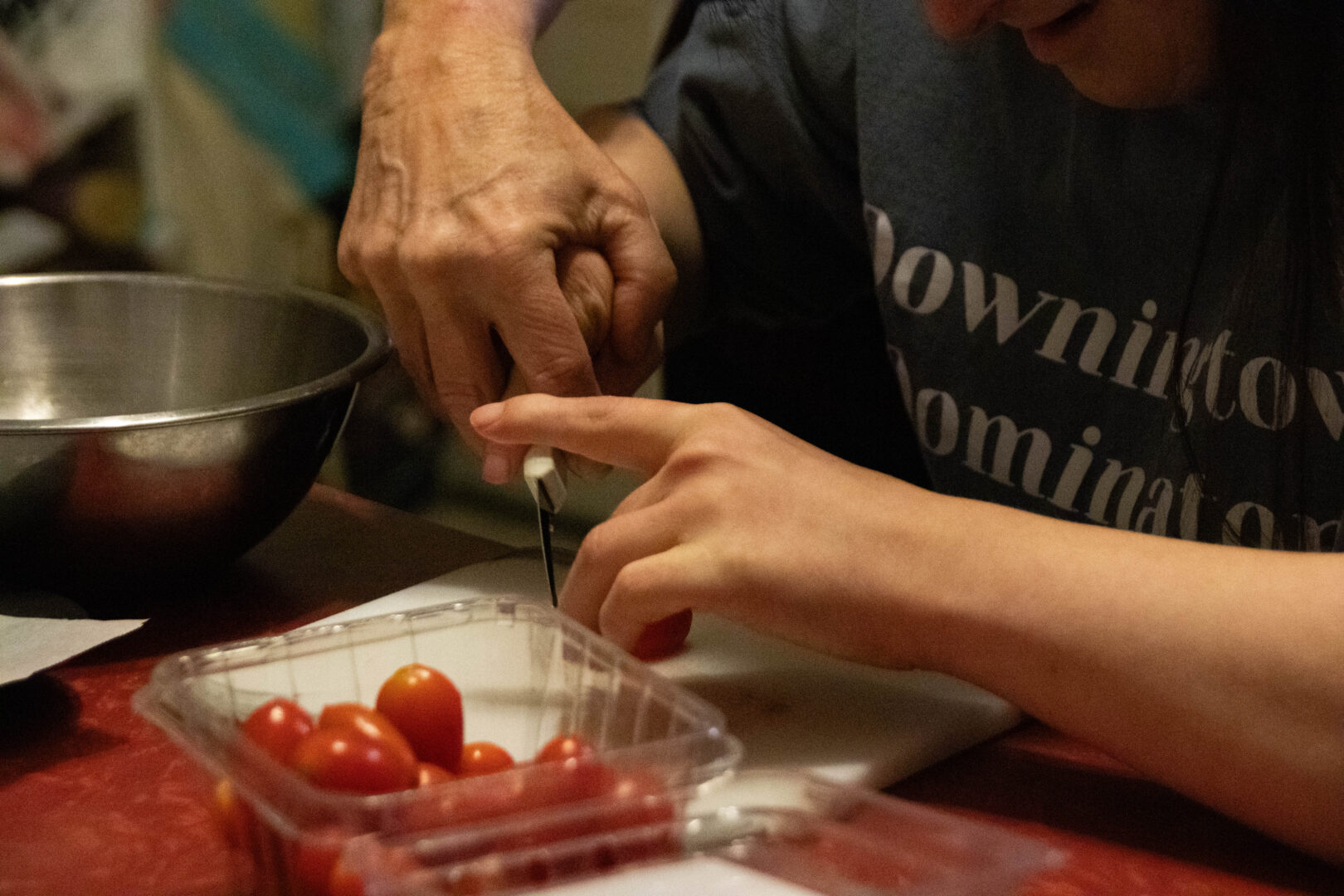
As the cooking classes can sometimes be a bit too fast, Aubrey prepares most of the ingredients ahead of time, including cutting food and measuring. This helps her to stay on track with the rest of the group during the Zoom call. It is also one of her favorite parts of cooking; she likes to chop ingredients up.
Despite having trouble with fine motor skills, Aubrey enjoys cooking and now has a kitchen full of gadgets to help her, thanks to her mom.
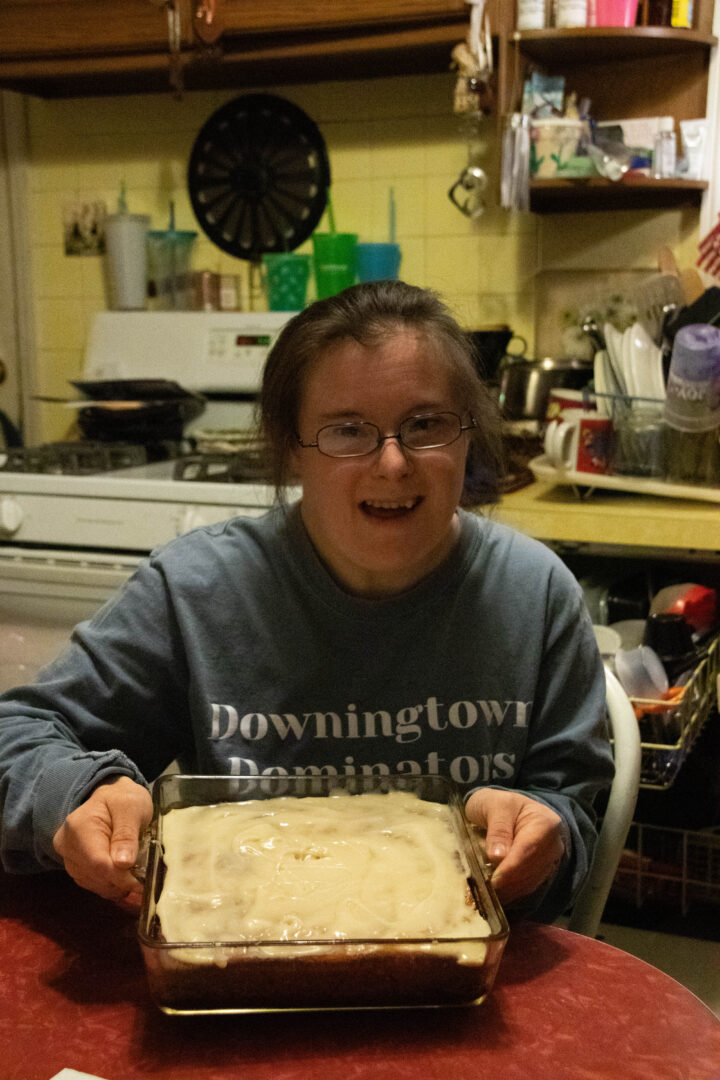
Aubrey said she liked making the desserts best. These recipes are only a few steps and don’t take very long to make. Most of the time, Aubrey has help cooking from her mother but she makes her breakfast herself.
Independence Happy Hour is a program that meets quarterly, where people living independently answer questions asked by other participants. Aubrey is attending the upcoming event and also the peer-to-peer workshops.
Aubrey and her mother talked about the Zoom call after a cooking class where they stayed on to talk and eat together; “I loved it,” Aubrey said.
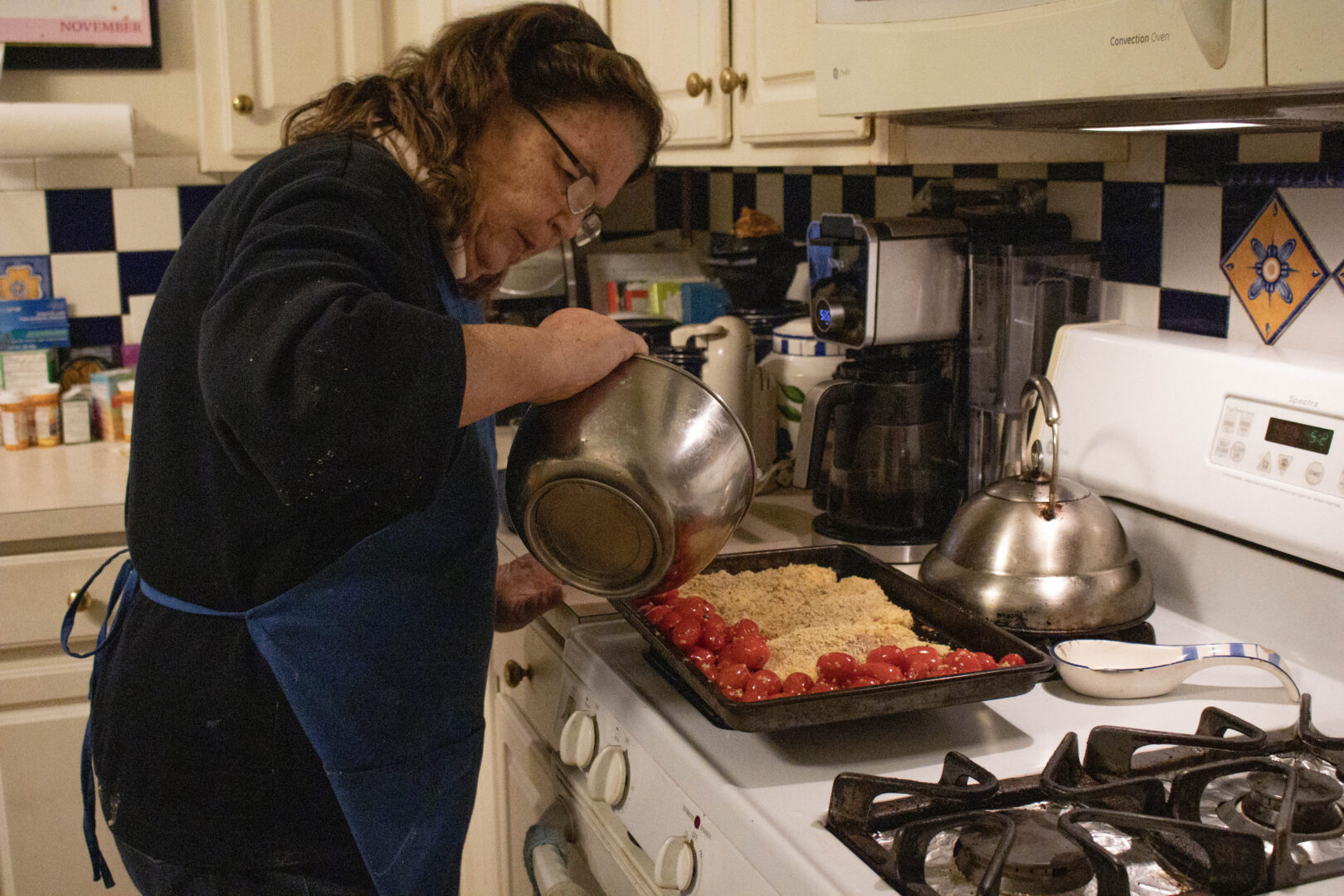
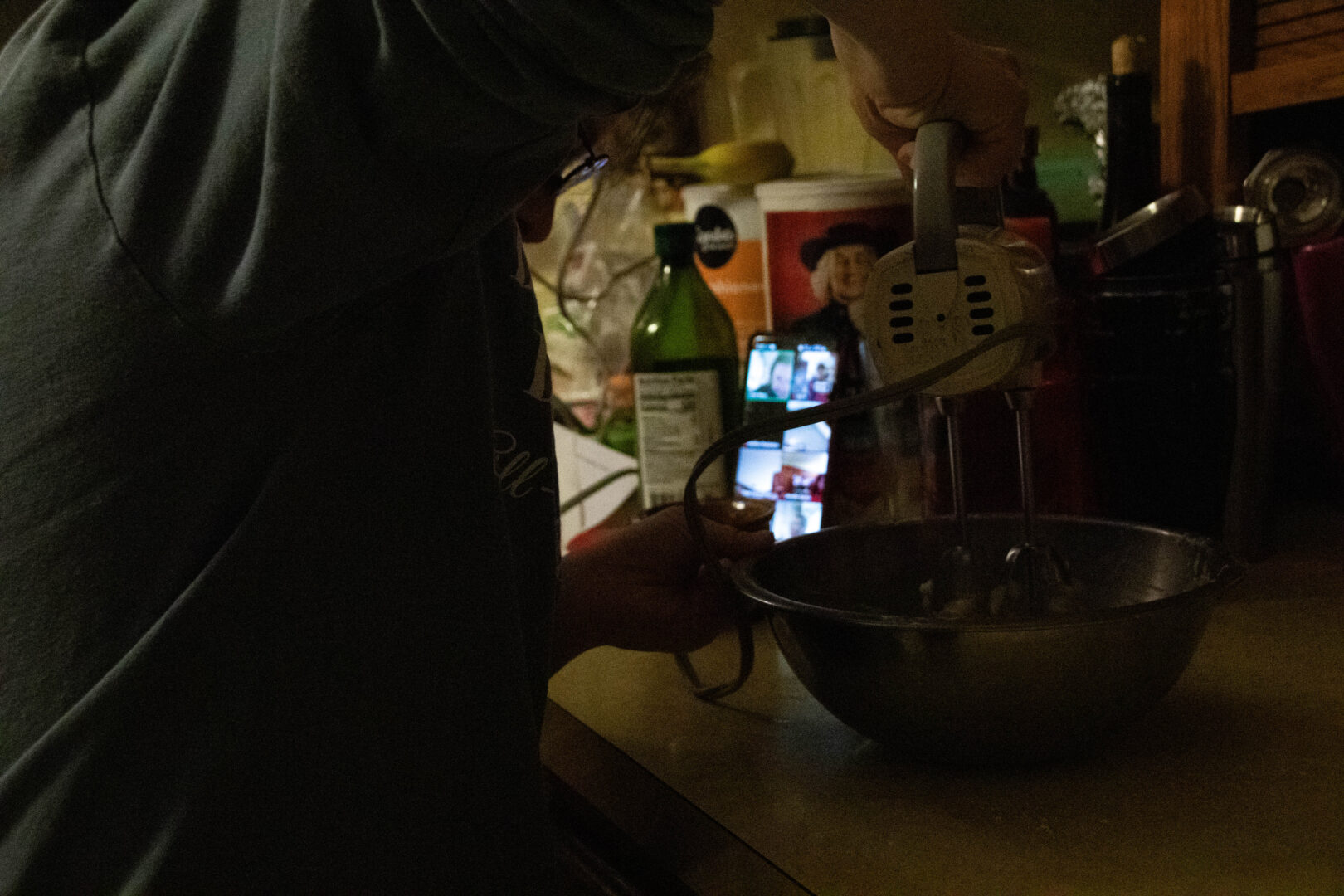
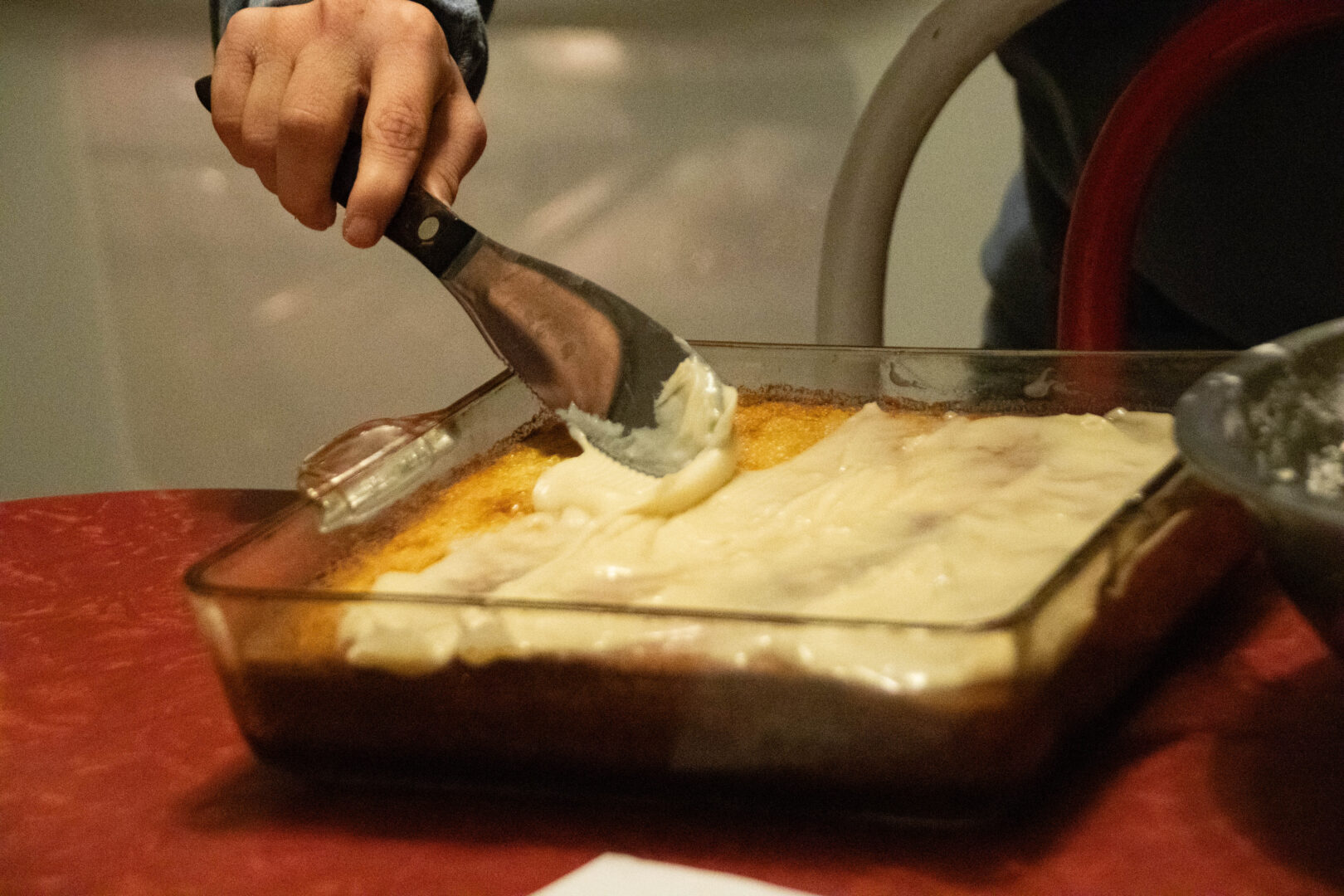
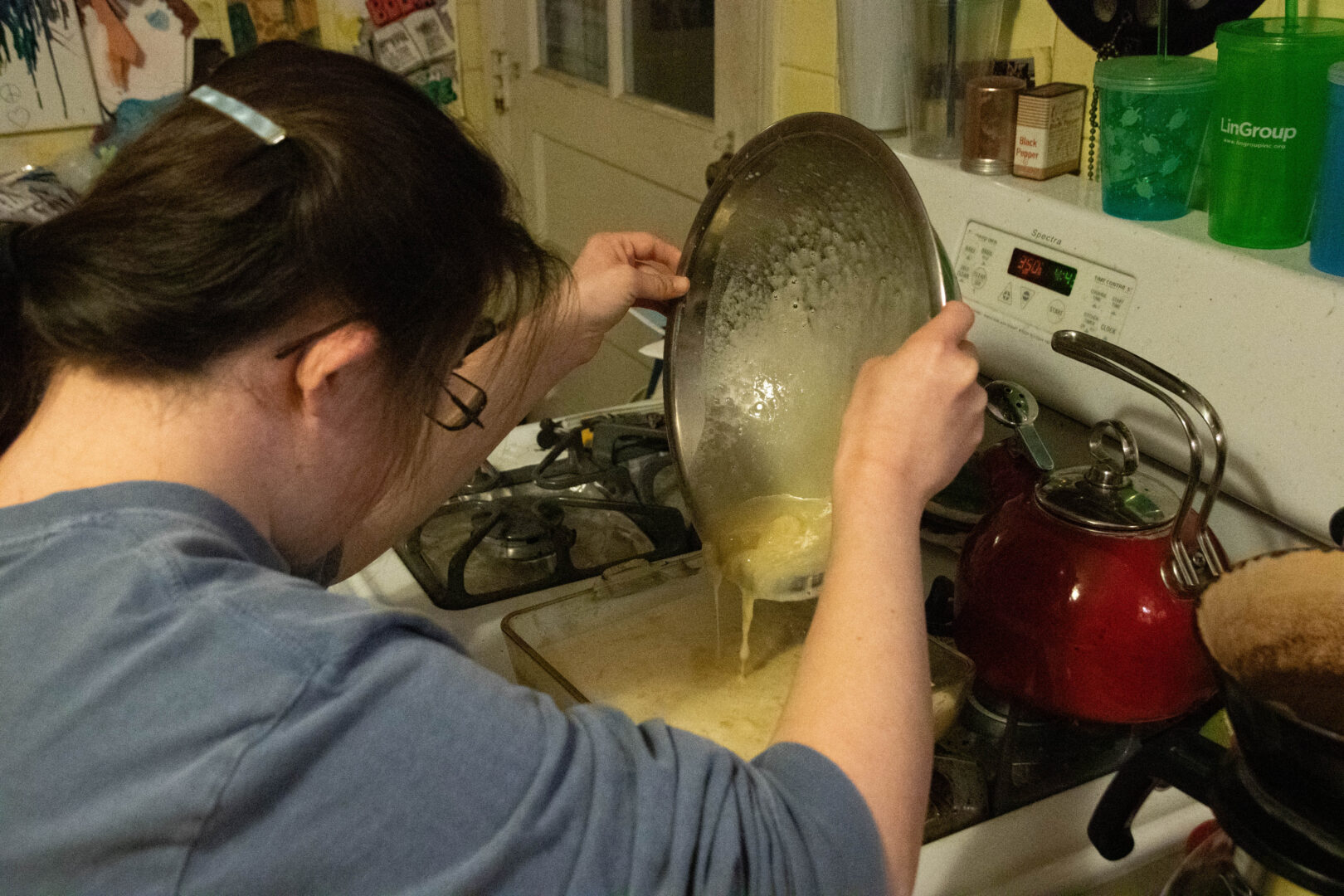
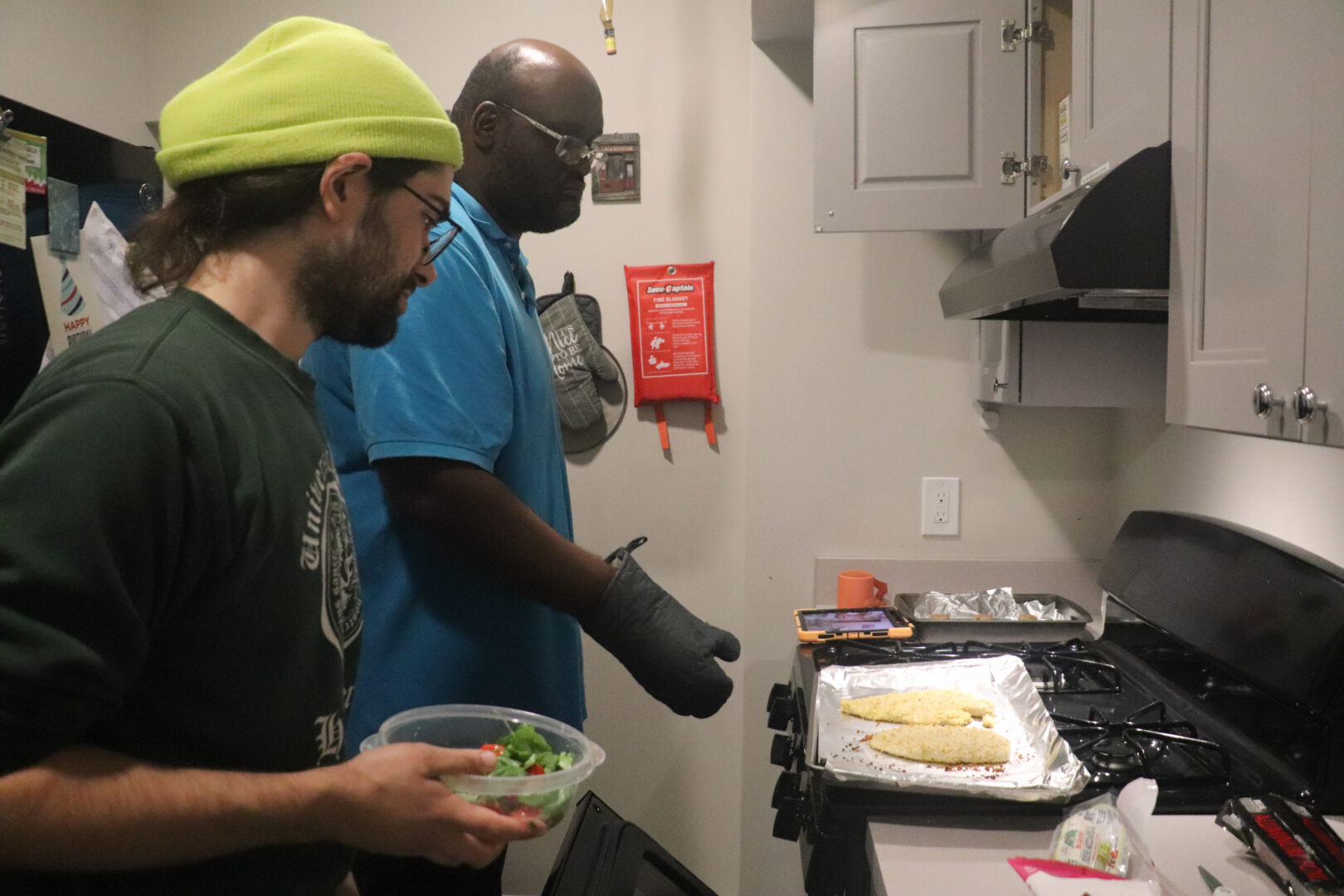
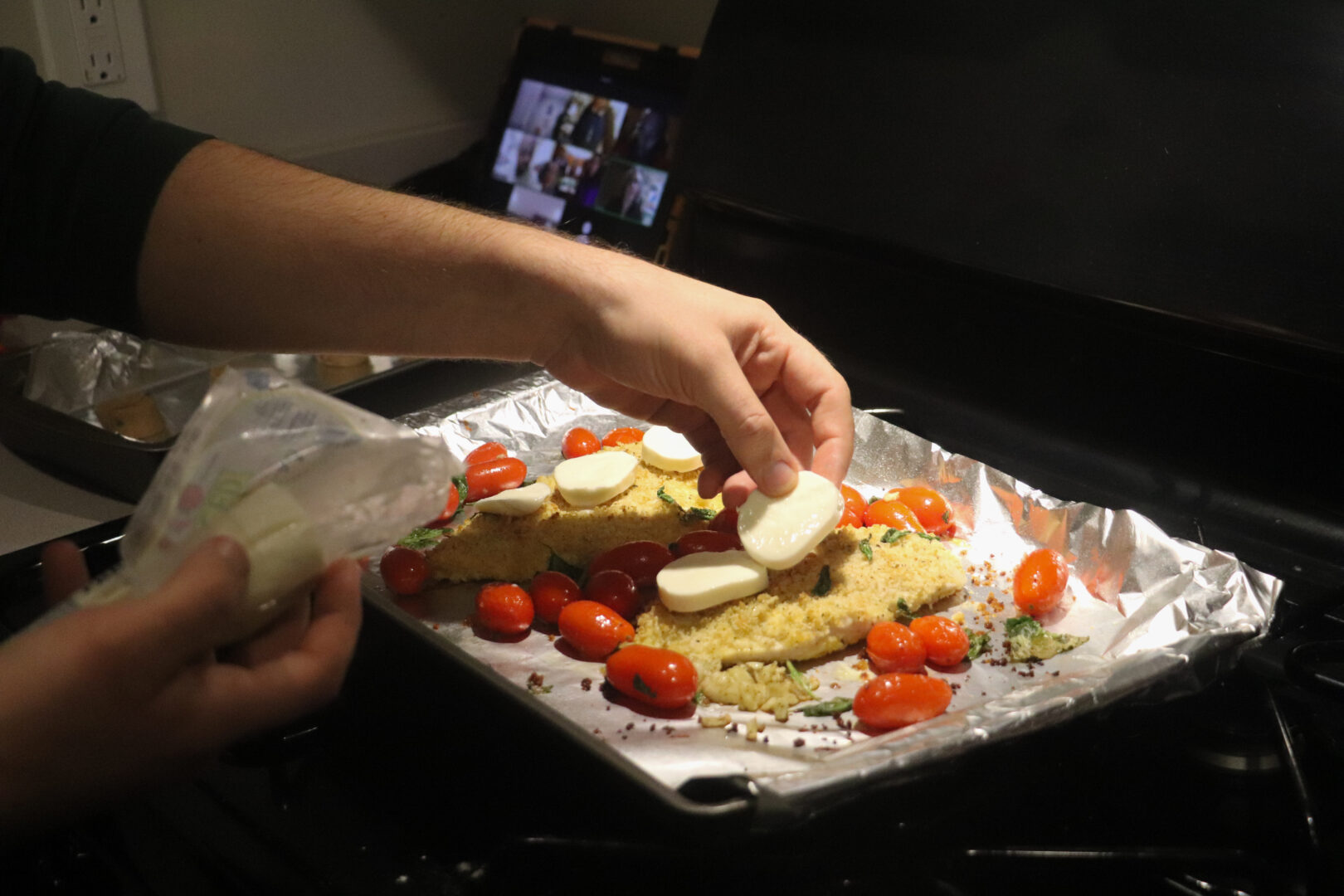
While her mother instructed and helped her, Aubrey did most of the work herself. The recipe they were following called for shrimp, but they switched it to tilapia. Aubrey cut the tomatoes, measured most of the ingredients, used the hand mixer, and put the dessert and entree in the oven.
Recipes range from soups and sandwiches to one-pan entrees such as the fish. It gives her tons of recipes to pull from for dinner on days she’s not in class.
Independence with a Supportive Community
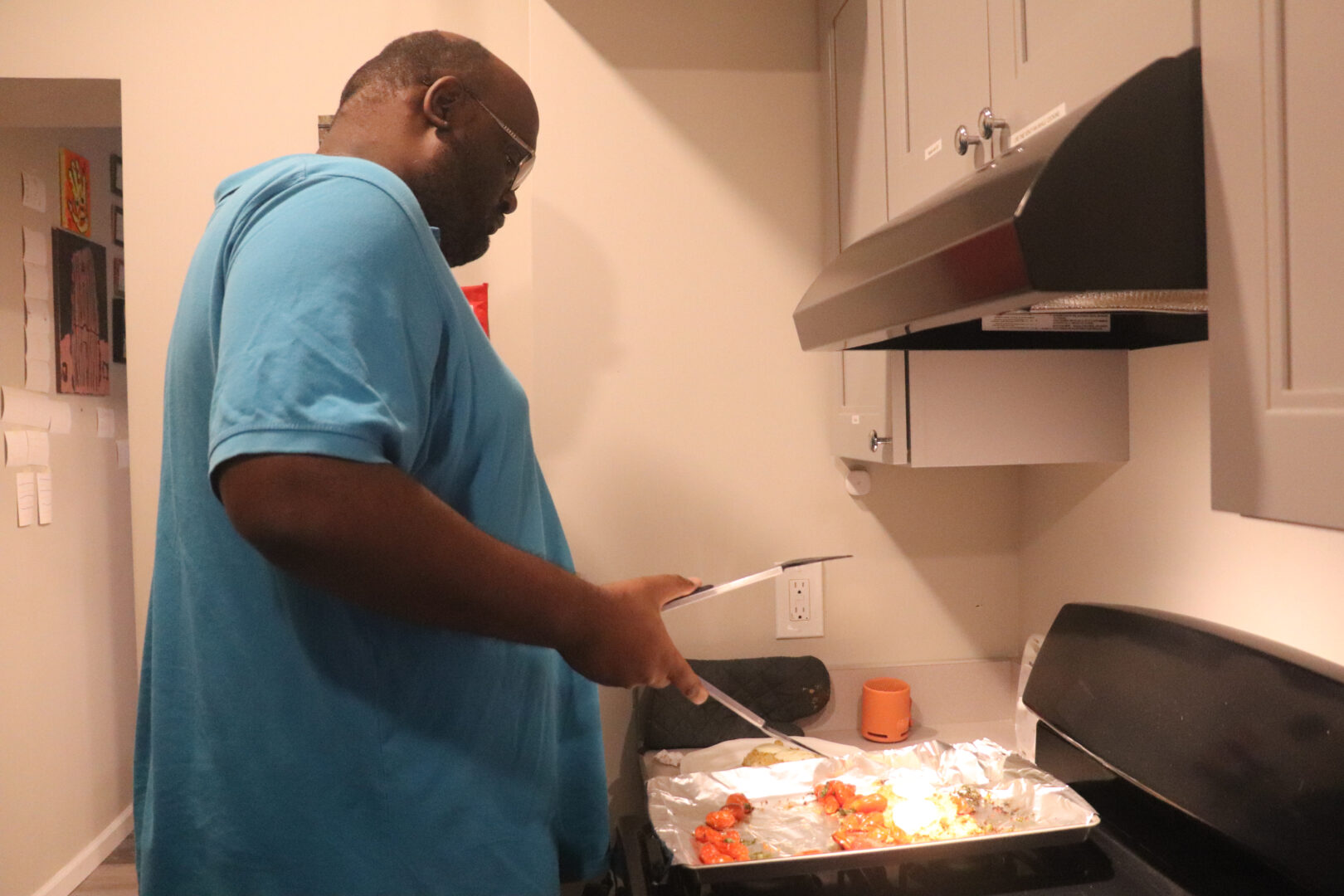
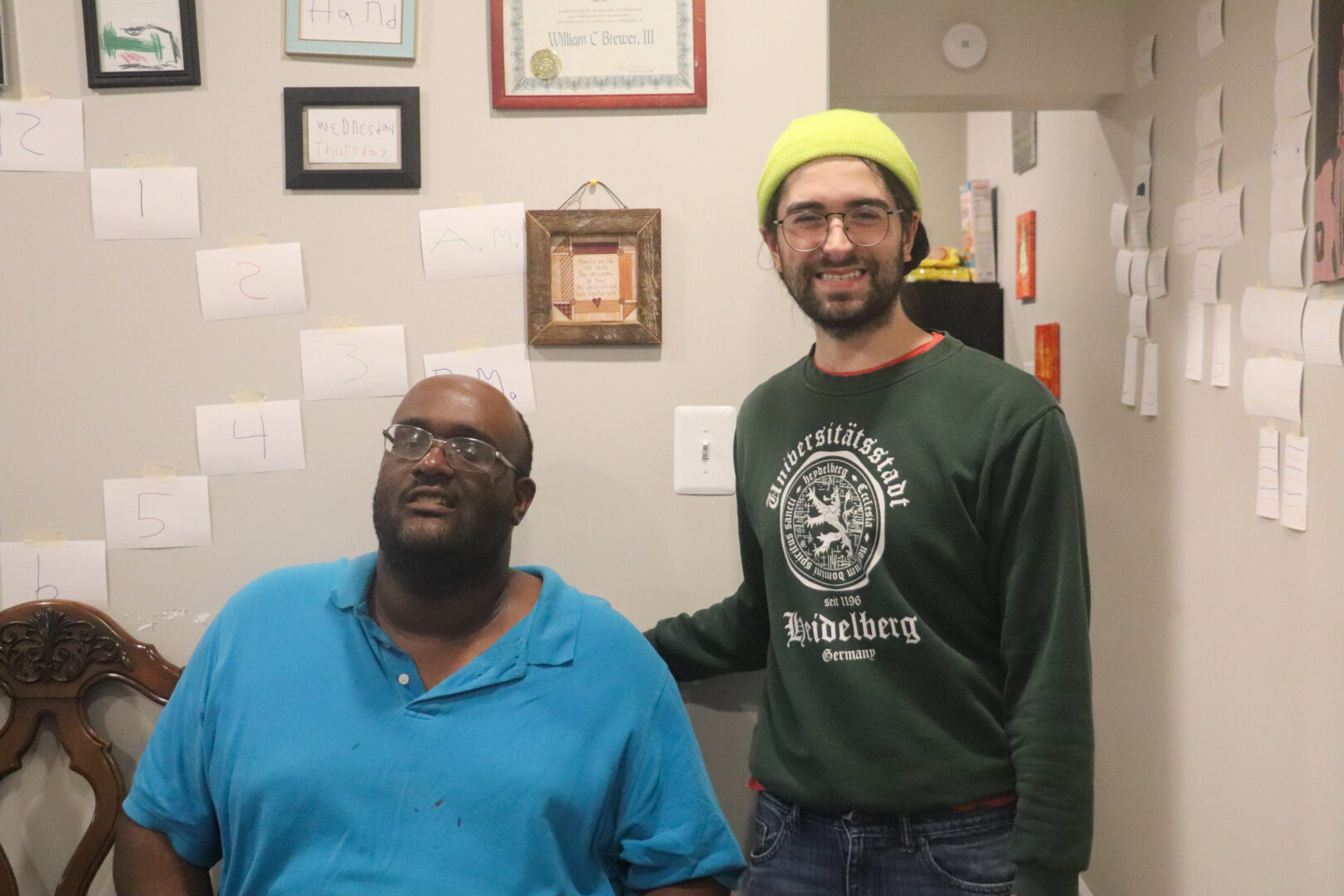
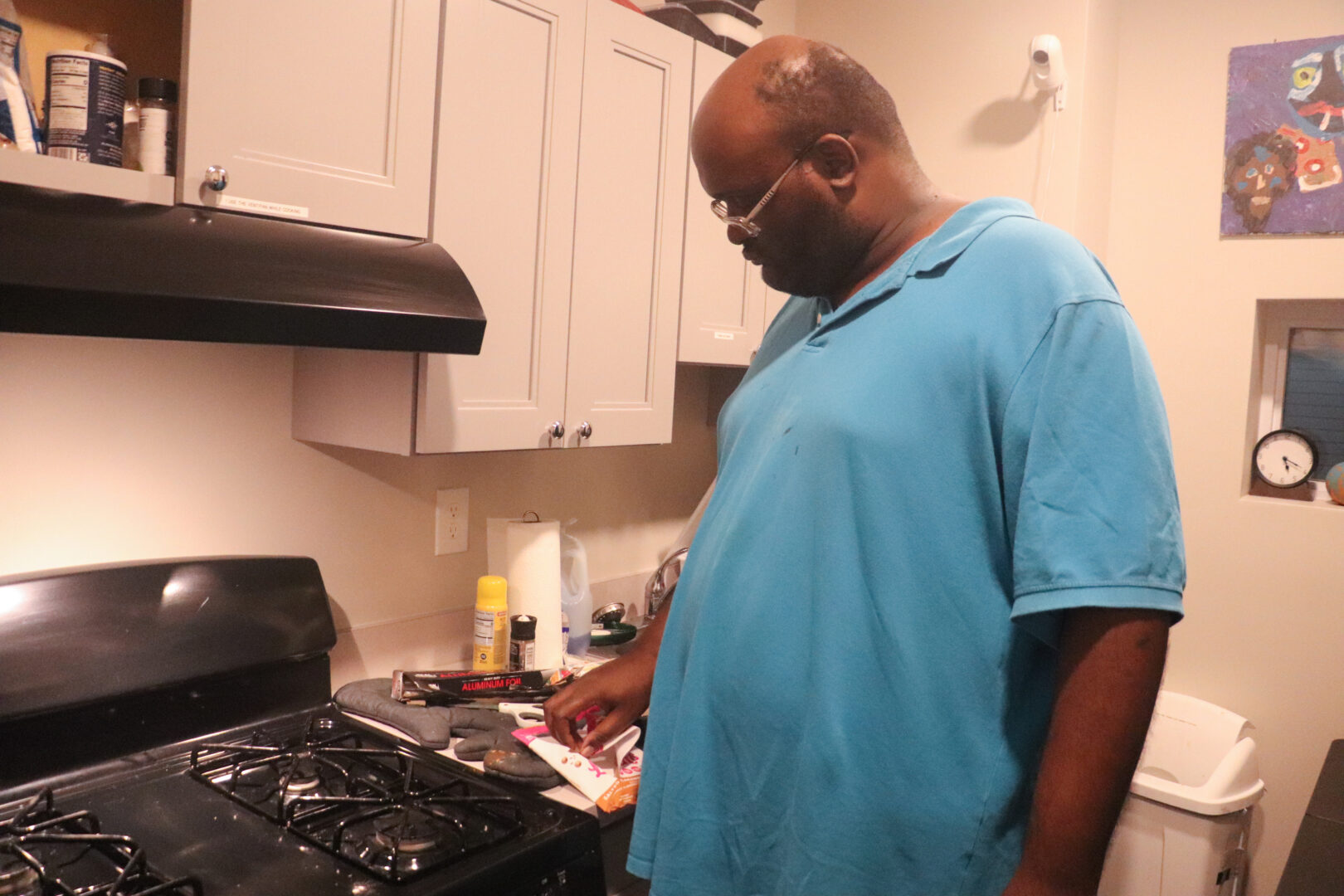
Another participant in these cooking classes is William, who now lives on his own with help from a support person. “One thing I like about Families CCAN Cook is making the meal itself. The routine of doing it every Tuesday. It’s good to look forward to when planned for,” said William.
William, 40, has been a member of Families CCAN since 2023. He first began participating in the organization through the virtual cooking classes with his mom.
“The swiftness that you transitioned to doing things like using the stove top, using an oven, cleaning up spills, doing the dishes like that. Families CCAN was such a huge part of it,” said Noah, William’s support person.
Throughout the past few years, William has learned to cook a wide range of dishes from chicken noodle soup to a classic Reuben sandwich to a crispy chicken parm.
Families CCAN provides resources on how adults with disabilities can make the transition to living independently. In April, William began the transition to living on his own. Throughout the spring, William and Noah would come to his apartment to practice the cooking classes, and then would return home to William’s parents, who he still lives very close to.
He enjoys having more choice and control in his schedule, such as when and what he eats and the organization of tasks for the day
William has always been involved in advocacy. Outside of Families CCAN William works for Self Advocates United as 1 (SAU) as a power coach. SAU is “a group of people who envision a world where people with developmental disabilities and their families are united to share knowledge, empower others, and use their voices to transform their communities and people’s lives,” (Self Advocates United as 1, Vision Statement).
Their mission is to provide self-advocacy support for people with disabilities, creating a positive impact in their communities and in people’s lives. As a power coach, William works with creating a Bill of Rights for helpers and adds plain language to various documents.
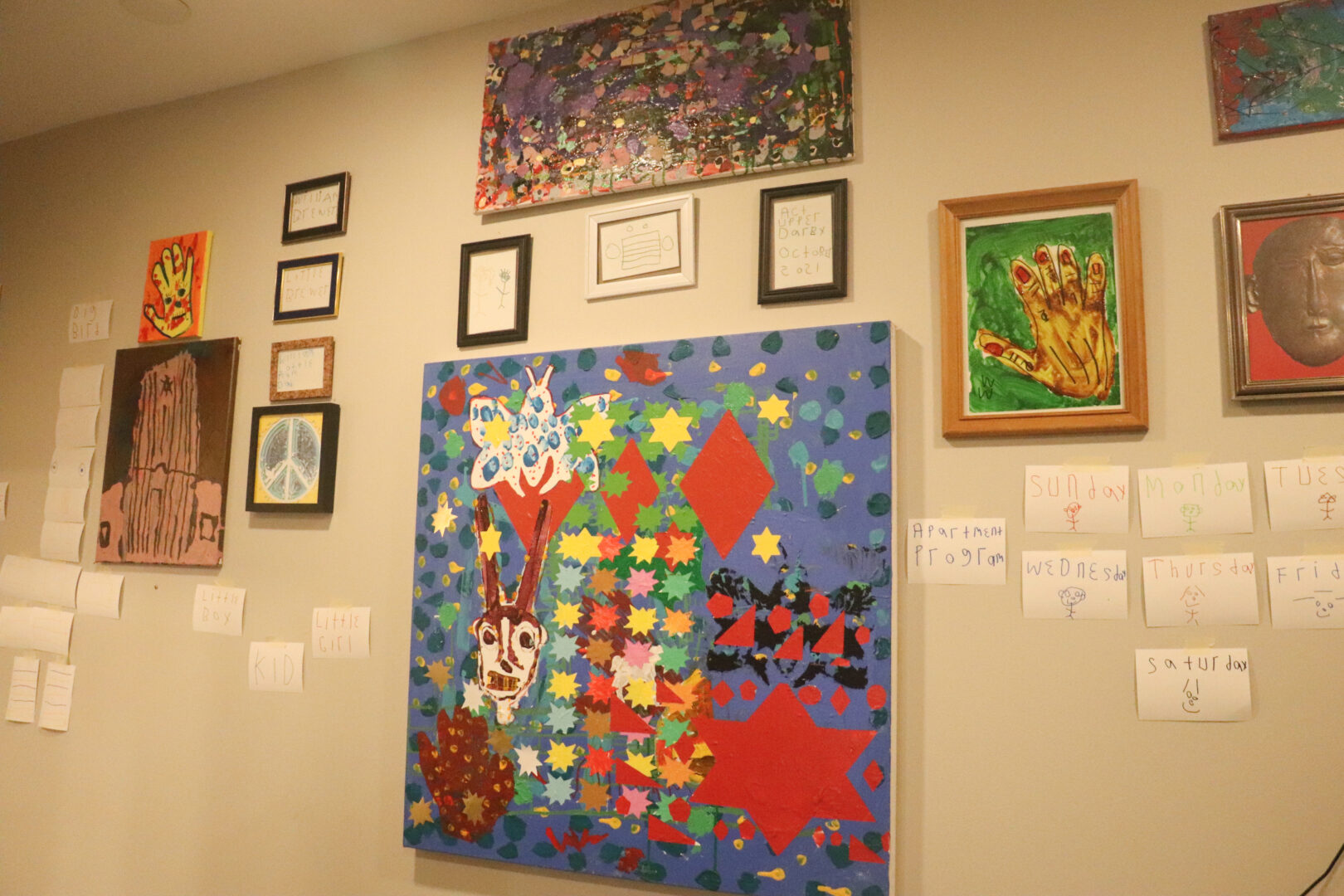
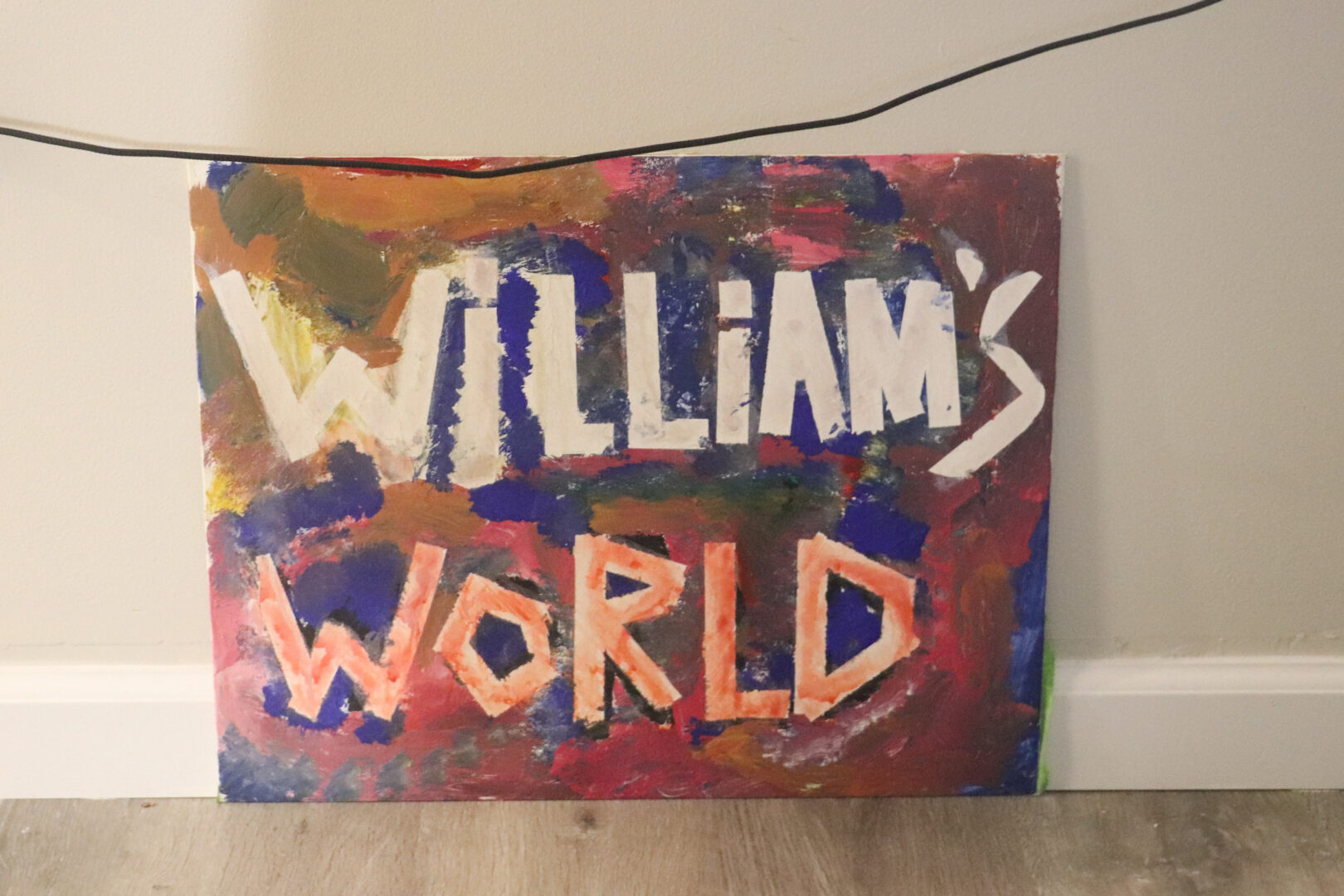
William is also an artist. He enjoys doing art because he likes making other people happy.
“Last year, I taught a virtual session with Families CCAN about how I conduct my independent art business,” said William. “I talked about how I manage my money in studio materials and how I spoke up to the right support for it.”
Families CCAN are active supporters of William’s passion for art. At the Fall Festival, William donated one of his paintings as a prize for the raffle.
As an active member of the Yeadon community, William aims to say hi to at least one stranger every day.
William is an example of the purpose of what Families CCAN aims to build in their vision statement: “that all individuals with disabilities are welcomed neighbors, friends and colleagues, living and working in the community and valued for their contributions.” From mastering kitchen skills to teaching others about advocacy and art, William continues to expand what independence looks like in his own life. Gaining independence takes a supportive community, resources, and trust; William has all of that behind him.

Be the first to comment