
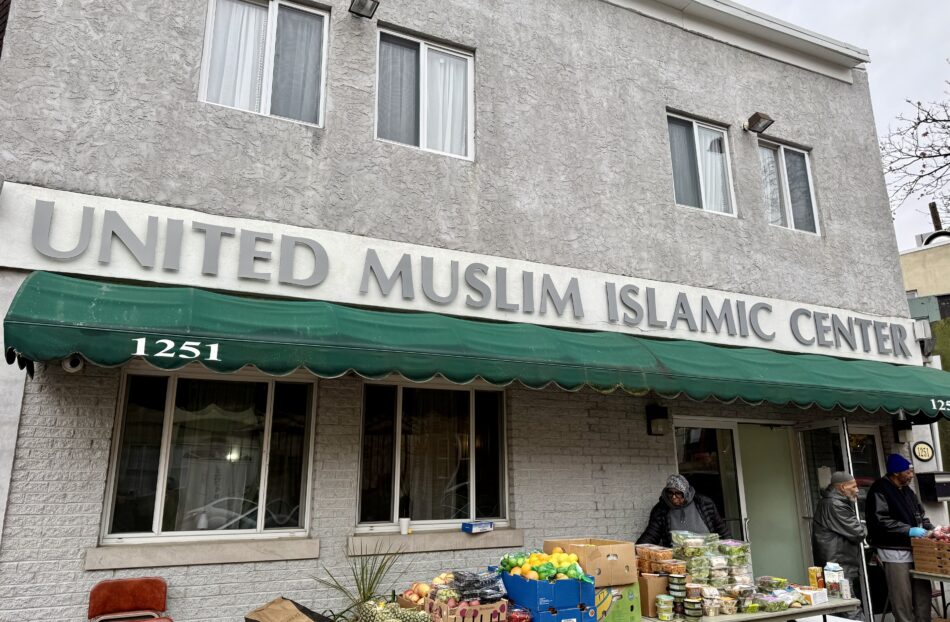

On a rainy Saturday morning at the end of November, a line of people snakes around the United Muslim Masjid in Point Breeze, South Philadelphia. They are waiting for food at one of the many food drives that the Masjid has been organizing for over a decade, but today organizers say it has a new sense of urgency.
“Since SNAP benefits were cut, more people have been coming out, more people have been in need, and more people have been open to asking for help. That’s what we’re here for,” Hanif Taylor, a community member who volunteers at UMM said.
SNAP benefits were paused in early November as a result of the government shutdown, but have been restored as of November 12, 2025. Still, many enrollees are at risk of permanently losing their food stamps.
As a part of the so-called “Big Beautiful Bill” that was signed into law in July, SNAP recipients will be subject to tightened work requirements, and many legal immigrants will lose access to the program entirely. The Congressional Budget Office estimates that participation in SNAP will be reduced by roughly 2.4 million people in an average month over the 2025-2034 period.
Taylor comes to serve food at these events every weekend, says that they normally serve between 60 to 100 people in a single day.
“You never know how much that multiplies when they take it home.” Taylor said.
Having experienced food insecurity as a child, Taylor volunteers at these events to help those who may also be struggling.
“I remember times when I was younger, and these were the type of events that were feeding my family, you know. I am from a family of eight, and I’m the youngest one. It was these exact events that kept me going,” Taylor said.
As of 2023, around 38.8% of people receiving SNAP benefits were children under the age of 18 based on government data. 11.1% of those children being younger than five years old and 27.7% being between the ages of five and 17.
“Even if you gave them their SNAP today, there were times where kids didn’t eat for weeks.” Taylor said. “I mean that’s tough; you can’t explain that to a kid.”
The South Philly Masjid recently received a grant to start serving hot food at the end of November to address the increased demand following the cut of SNAP benefits. They are currently seeking additional funding to continue holding food drives year round by the start of 2026.
“Even if they’re not in need, we encourage people to come out and grab stuff and give it to people in need,” Taylor said.
Dante, a volunteer at the masjid, whose full name is being withheld for privacy reasons, explained that the food is available to everyone , not only members of the Muslim community.
“When the SNAP benefits got cut, [more people in need] came around. Anybody can come to get the food. All we got, they can come get it,” Dante said.
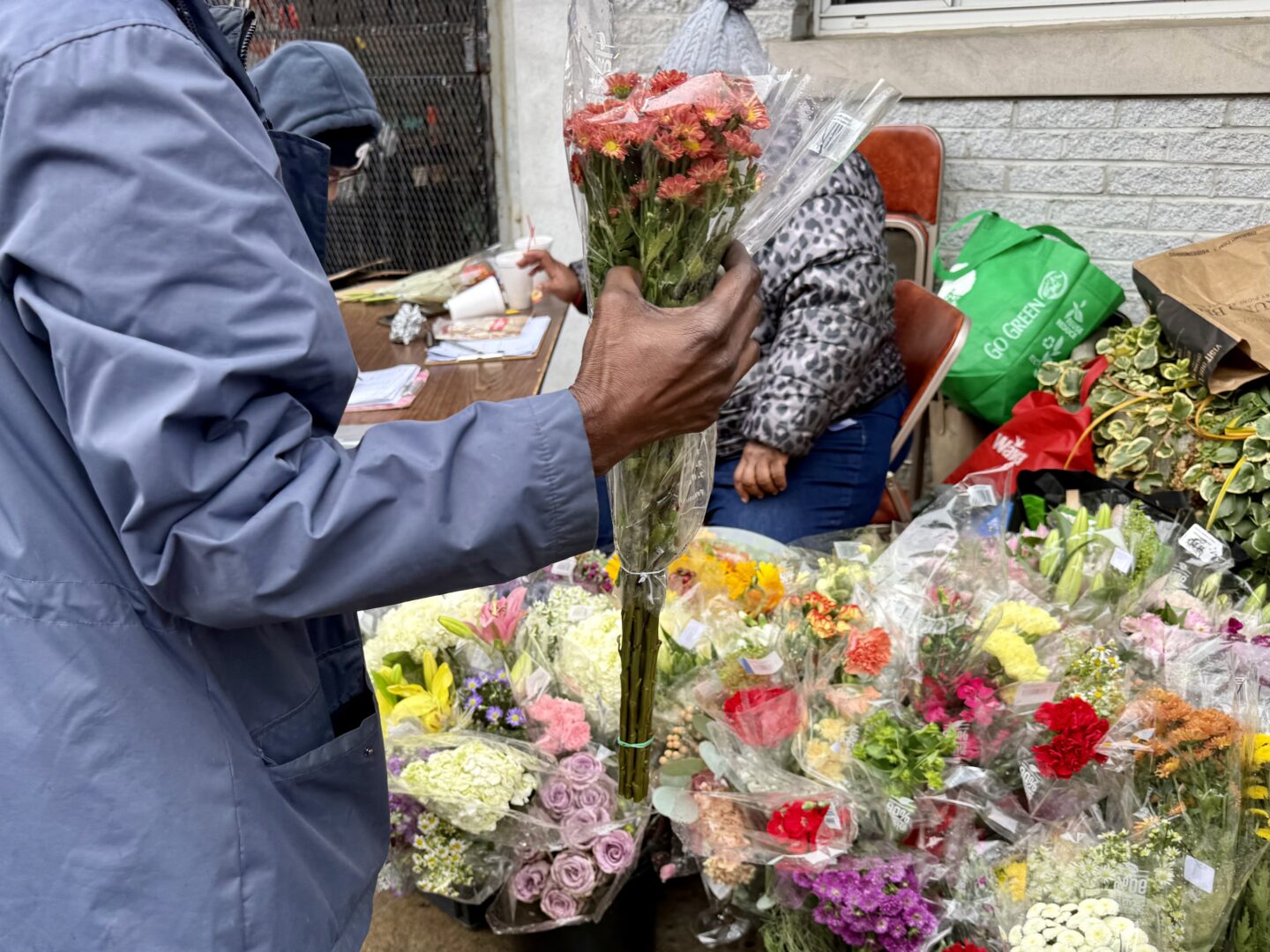
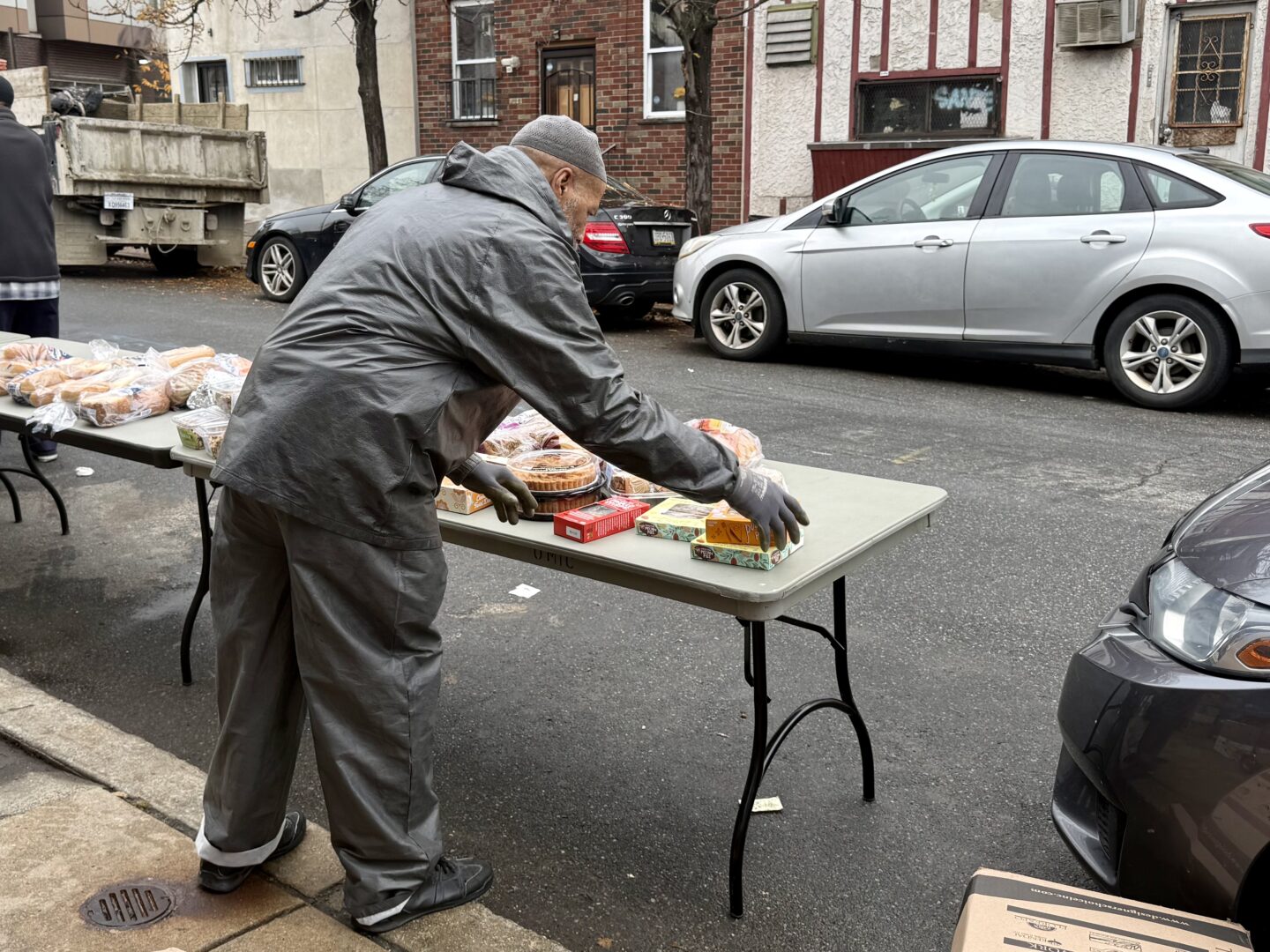
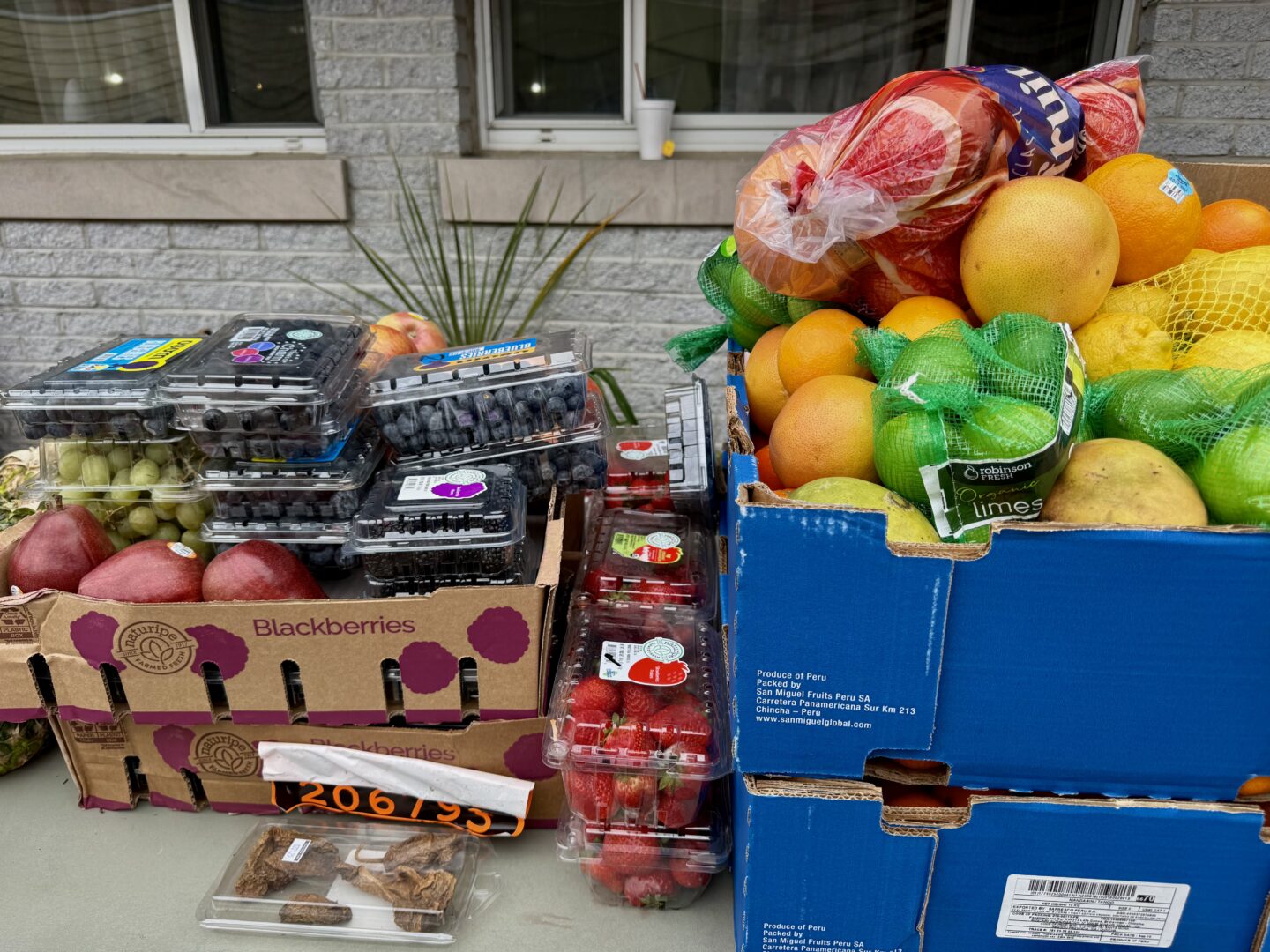
The masjid distributes different food items like baked goods, vegetables, canned food, and dairy products. Attendees are able to walk around to each table and take as many items as they would like.
“It makes me happy to see that people who can’t afford groceries can eat,” Dante said.
In 2023, over 210,000 (13.6% of Philadelphia residents) were living with food insecurity, according to City Council Philadelphia. 22% being Black households and 23% being Hispanic households.
According to volunteers with UMM, food insecurity is especially acute in the Point Breeze neighborhood due to a lack of grocery stores and access to healthy food options.
“A lot of people are in need right now; it’s kind of a recession.” Taylor said. “We’re living in a hard time right now and we’ve gotta stick together to help each other, it takes community.”
Immigrants facing food insecurity in the Muslim community
While the more than 470,000 Philadelphians who temporarily lost access to SNAP benefits this November struggled to find food, volunteers at UMM’s food drives said that for community members who are immigrants, the challenge of food insecurity is often even greater. Many face additional barriers such as limited eligibility for public benefits, language obstacles, and fear of interacting with government agencies.
UMM’s Youth Council Treasurer, Amin Halel, assists youth interested in getting involved with food drives and other volunteering events to help immigrants in their community.
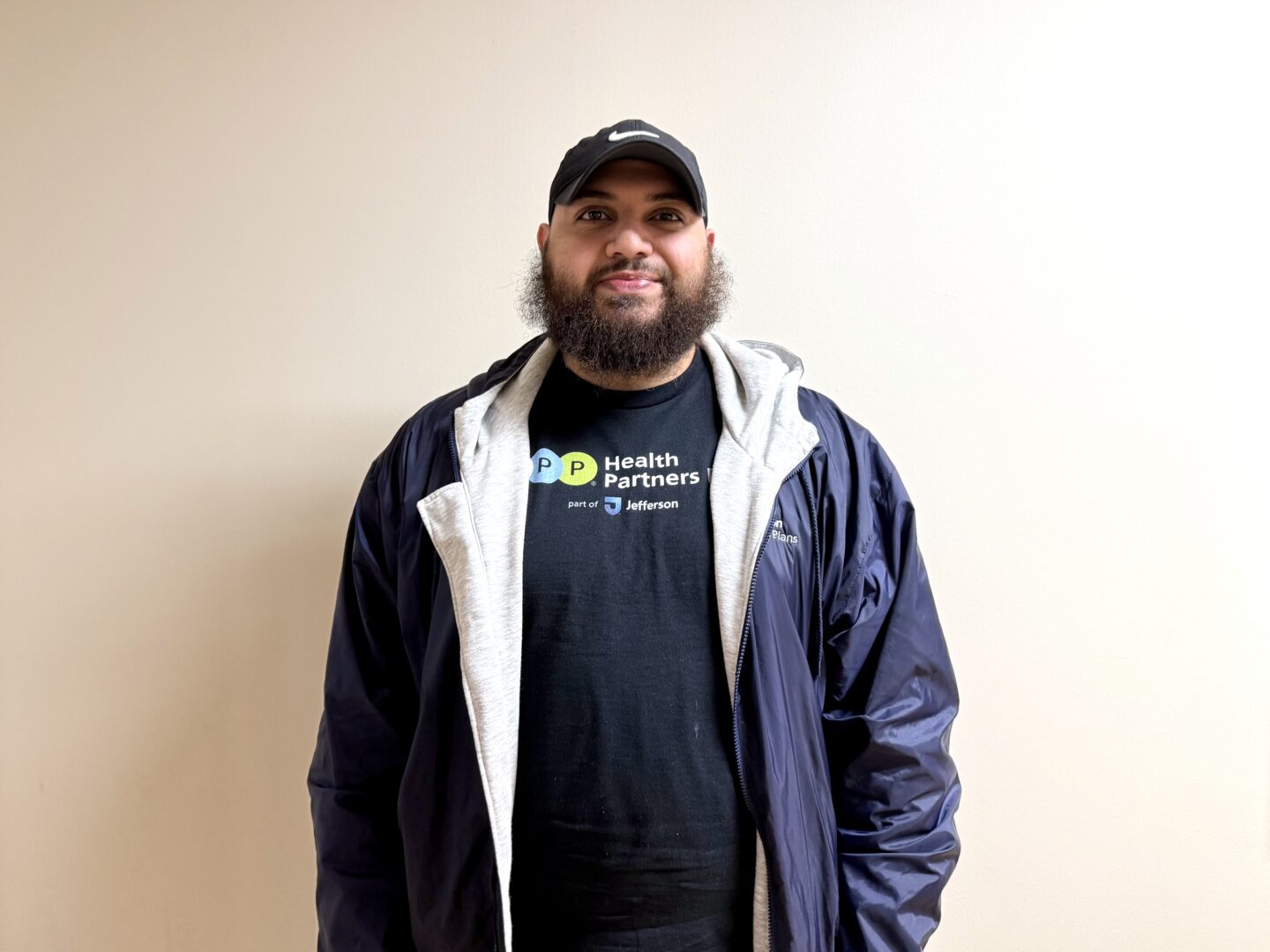
“At United Muslim Masjid and Center City Masjid, it’s probably about a 70% immigrant population, where you have a lot of immigrants from West Africa, Central Asia, South Asia, North Africa, at any given day,” Halel said.
Many of these immigrants and Philadelphia residents rely on SNAP benefits to get weekly groceries. With new requirements put into place, not everyone will qualify for the support they need.
Not only will current SNAP recipients face new restrictions, but new applicants will face more difficulties as well. A new policy that started November 1, 2025, requires some green card holders to wait up to five years before they can apply for SNAP benefits which originally held no waiting period if they met the eligibility requirements.
“A lot of these brothers that are from other countries… work 12 hours a day, seven days a week and none of that money is going to them. The money they earn and their [SNAP benefits] are all getting sent back to their families.” Halel said. “So, when that avenue is cut off for them, it’s not only them that are suffering, but their families as well.”
Upcoming changes to SNAP work requirements
Organizers worry that the newly tightened work requirements for SNAP beneficiaries implemented through the Big Beautiful Bill could lead to deepening food insecurity in the city.
According to the Commonwealth of Pennsylvania, “Under these new federal rules, to keep or become eligible for SNAP benefits certain people will have to meet SNAP work requirements that include working, volunteering, or participating in an education or training program for at least 20 hours a week (or 80 hours each month) AND report that you are meeting these work requirements.”
“There’s a work aspect attached to [the new requirements] where a person must do a certain amount of hours a month and some people aren’t able to work, or are able, aren’t able to secure these jobs, and who may be not body abled and it’s very unfortunate,” Halel said.
According to government data, Out of the 42 million Americans who rely on SNAP benefits, around 20% receive no other source of income besides SNAP benefits. 61% receive unearned income, from other programs like Social Security and Temporary Assistance for Needy Families. 36% of those families are also receiving the maximum number of benefits allotted for the size of their family. Only 9% of families receive the minimum number of benefits.
While Philadelphia families remain uncertain about the future of SNAP, organizations like UMM want all residents to know that they will continue to support those in need, regardless of their backgrounds.
Assalamualaikum
as a Muslim I think it’s a great job part to help humanity if possible I would love to help distributor food out to people that needs it please give me a call at 215-399-6716 if you need my assistance